


I first traveled solo in Spain back in 2013, and I immediately fell in love with the country: the sun, the sea, the warmth, and the vibrant culture.
Since then, Spain has always held a special place in my heart. When my husband and I started planning our move to Spain in 2024, we knew we wanted to settle in Southern Spain, somewhere with plenty of sunshine and a relaxed coastal lifestyle.
At first, we considered Estepona, but we quickly realized that finding a long-term rental there would be difficult. After an extended search, our focus shifted, and we ended up in Marbella, a decision we’re so happy with.
Today, we love the city’s mix of history, Mediterranean charm, and modern amenities, and as a photographer, I find it incredibly photogenic, which makes living here even more inspiring.
If you're interested in moving to Marbella, let's dive into what living here has been like for us.
Short on time? Here's the cheat sheet
👉Start from the beginning with this general guide on how to move to Spain.
💭Living in Marbella means living in a lively atmosphere surrounded by stunning natural beauty.
🏠Each area in Marbella offers something different so it's important you get a better understanding of the neighborhoods before committing a lease.
📚Make your transition easier and get a headstart learning the language with italki.
🛂If you're not from an EU country, you'll need a visa to live here. Luckily there are plenty of options for your Spanish visa.
🤕Don't rely on luck alone. SafetyWing now offers 2 types of Nomad Insurance coverage options: Essentials for travelers and Complete for expats and digital nomads.
☂️Although it's not always on most people's list of best cities in Spain,
🏖️It's a great choice for those that are looking for a luxurious lifestyle on the Costa del Sol.


Getting to Know Marbella

Marbella is a vibrant city on Spain’s Costa del Sol, located in the province of Málaga. It’s one of the most well-known destinations in Southern Spain and offers a unique blend of history, Mediterranean charm, and modern lifestyle. Here you can enjoy a relaxed, coastal way of living while still having access to upscale restaurants, nightlife, and cultural experiences.
It’s a place that can feel both like a vacation and a permanent home, depending on how you choose to live here.
Marbella has a rich history dating back to Roman times, with influences from the Moors and medieval Spain still visible in its old town streets. The city experienced major growth in the 1950s and 1960s, transforming from a small fishing village into the internationally known tourist and expat destination it is today.
If you’re interested in nightlife, you’ll definitely find it in Marbella. But at the same time, it’s also very suitable for families or couples looking for a quieter lifestyle. A lot depends on the specific area you choose, or as they say in Spain, the urbanización (neighborhood or residential community).
Not sold on Marbella? Consider moving to these other Spanish cities instead:
Neighborhoods in Marbella

Before choosing where to live, it helps to understand how Marbella is laid out. When you first start looking at rentals, the neighborhood names can feel a bit confusing, they’re spread along the coast and into the hills, and many of them are small residential communities.
In general, Marbella can be divided into a few key areas:
Golden Mile
The stretch between Marbella’s Old Town and Puerto Banús, often called the Golden Mile, is one of the most desirable locations. It offers beach access, walkability, and a mix of upscale apartments and luxury residences.
Golf Valley
Just inland from Puerto Banús is Nueva Andalucía, also known as the “Golf Valley.” This is a very popular area among expats because it has a wide range of apartments, international schools, and a more residential feel while still being close to everything. Of course, there are also plenty of golf courses in this area.
Eastern Marbella
To the east, areas like Elviria, Cabopino, and Las Chapas are known for their beautiful sandy beaches and a quieter, more relaxed atmosphere. These neighborhoods are great if you want to be close to nature and the sea.
Hilltop Communities
There are also hillside communities above Marbella, toward Benahavís, which offer panoramic views, privacy, and a peaceful environment. These areas feel more secluded but are still within a short drive of the coast.
Overall, Marbella offers a wide range of options, from lively, central locations to calm, residential neighborhoods, so the best choice really depends on your lifestyle and what kind of daily experience you’re looking for.
Apartment Hunting
Via Idealista
The main way to search for apartments in Marbella, and in Spain in general, is through the website Idealista. This is the most widely used platform and especially helpful if you’re searching from abroad. We also used it when looking for a long-term rental.
It’s very user-friendly and gives you a clear sense of what’s available in different areas and price ranges. One important thing to keep in mind is that good apartments are rented very quickly. Demand in Marbella is high and often exceeds supply.
Because of that, I recommend starting your search about two weeks before your arrival and trying to schedule viewings in advance. That’s exactly what we did, and within one week of arriving, we were able to sign a one-year rental contract.
A small tip: photos on Idealista are not always flattering. Some apartments look better in person than they do online. After a few days of browsing, you start to understand how to “read” the listings more accurately.
Via Relocation Agent
Another option is to use a relocation agent. This can be especially helpful if you’re moving from abroad. A good agent has in-depth knowledge of the area, can recommend neighborhoods based on your lifestyle, arrange viewings, communicate with real estate agents, and even review your contract before signing.
When my husband and I were planning our move to Spain, we worked with a relocation agent near Marbella, and her help was incredibly valuable. For our next move, we may do everything ourselves but for a first relocation, having someone local is absolutely worth the investment.
General Tips for Apartment Hunting
If you’re already in Marbella, Idealista is still your best option. Occasionally, you might see “Se Alquila” (For Rent) signs, but that’s relatively uncommon. Some real estate agencies display listings in their windows, but most of them are also posted online.
When contacting agents through Idealista, patience and persistence are key. Responses can take a few days, and sometimes you may not get a reply at all. Messaging (text or WhatsApp) is usually the most effective way to communicate if that option is available.
Fun Things to Do / Social Scene

I have a naturally exploratory spirit, so I really enjoy discovering new places, cultures, and experiences. My husband and I often spend our time exploring restaurants, tapas bars, museums, galleries, and other interesting spots around the city.
Our Favorite Museums
Marbella has several museums with both permanent and rotating exhibitions. One that truly surprised me is the Museo Ralli, which features a large and diverse collection of modern Latin American and Spanish art. It’s much bigger than I expected and definitely worth visiting.
There is also the Museo del Grabado Español Contemporáneo, which focuses on contemporary Spanish printmaking and often hosts exhibitions and cultural events.
Other smaller but fascinating museums are tucked throughout the city. For example, the Centro Cultural Cortijo de Miraflores is a cultural center that includes the Olive Oil Museum, which explores the history and tradition of olive oil production in Andalusia. This museum offers a quieter, more intimate experience compared to the larger museums and is perfect for a relaxing morning of cultural discovery.
Can't Miss Cultural Events
In addition to museums, Marbella offers a variety of cultural experiences. The Candlelight concert series hosts beautiful live music performances in intimate settings several times a month. There are also jazz clubs, theater performances, and, of course, flamenco—an essential and powerful part of Spanish culture.
If you want to experience this art form up close, you can watch authentic shows at places like ”Tablao Flamenco Marbella”, a classic tablao in the old town with passionate nightly performances, or ”Passion: The Story of Flamenco”, which offers a narrative flamenco experience blending music, dance, and storytelling.
If you enjoy being on the water, there are plenty of options year-round, from boat tours to sunset cruises. These are especially popular in the summer but available throughout the year thanks to Marbella’s mild climate.
And I might be a little biased, as I consider myself a foodie, but exploring the food scene is one of the best things to do here. From traditional Spanish tapas to international cuisine, Marbella offers an incredible variety of dining experiences.
Boring but Important (Practical Tips)

Marbella is generally a safe place to live, but it’s still important to stay aware, especially in crowded areas during the peak summer season. Like in any tourist destination, keep an eye on your belongings and avoid carrying valuables in easily accessible places like back pockets.
When choosing a neighborhood, it’s worth doing some online research to make sure it fits your lifestyle. For example, if you’re not interested in a party-heavy or glamorous scene, you may want to avoid Puerto Banús, which is known for its nightlife and luxury atmosphere.
If you don’t plan to own a car, look for areas with easy access to public transportation. Marbella’s bus system is reliable, and schedules are available online. You can also easily get around using Uber or Bolt, which complement public transport well.
Visa Requirements
Since Marbella is part of Spain, you’ll need a Spanish visa to live and work here. There are several types of visas, each with different requirements:
- Non-Lucrative Visa (NLV): Allows you to live in Spain but not work. This is what we used when we moved.
- Digital Nomad Visa: Designed for remote workers employed by foreign companies, allowing you to live and work legally in Spain.
- Work Visas: If you plan to work for a Spanish employer, a standard work visa is required.
- Student Visas: If you’re studying in Spain, you can live there with a student visa, though working is usually limited.
Visa requirements and processes can change frequently, so it’s always best to check the official Spanish government website for the most up-to-date information. Learn more about each of these Spanish visas.
The application process can take anywhere from a few weeks to several months. In our case, it took about 2.5 months from the date of submission.
Start gathering documents early, proof of financial means, health insurance, background checks, and accommodation details are usually required. Keep in mind that appointments at consulates can be limited, so booking early is important. Many applications are submitted through BLS International, which acts as the official visa application center for Spain, helping collect and forward your documents to the consulate. Some people also choose to hire a relocation or visa consultant to make the process easier, especially when applying from overseas.
You can rent property in Marbella with different visa types, but for long-term rentals, landlords typically require a visa that allows you to stay for at least one year. Short-term rentals are available even on a tourist visa.
Finally, note that some visa types (like NLV) require you to maintain health insurance and a minimum monthly income, so planning your finances ahead is crucial.
Cost of Living
The cost of living in Marbella largely depends on your lifestyle, with rent being the biggest factor.
For a one- or two-bedroom apartment in a good area, you can expect to pay approximately €1,500–€2,400 per month. When signing a long-term lease, you’ll usually need to pay a deposit. This can range from one month to as much as three or four months, depending on the landlord.
For groceries, a typical monthly budget for two adults might range between €900–€1,300, depending on your preferences.
There are many supermarkets throughout the city, including Mercadona, Carrefour, Lidl, Aldi, and Hipercor. You’ll also find local produce shops (fruterías) and farmers markets where you can buy fresh fruits and vegetables daily at reasonable prices.
Utilities for a standard apartment (electricity, water, gas) typically cost around €100–€150 per month, depending on usage, and high-speed internet is around €30–€50 per month.
Eating out can be very affordable, especially if you enjoy tapas or local cafés. A typical lunch at a casual restaurant might cost €10–€15 per person, while a three-course dinner at a mid-range restaurant could be €25–€40.
Quality of Life as an Expat
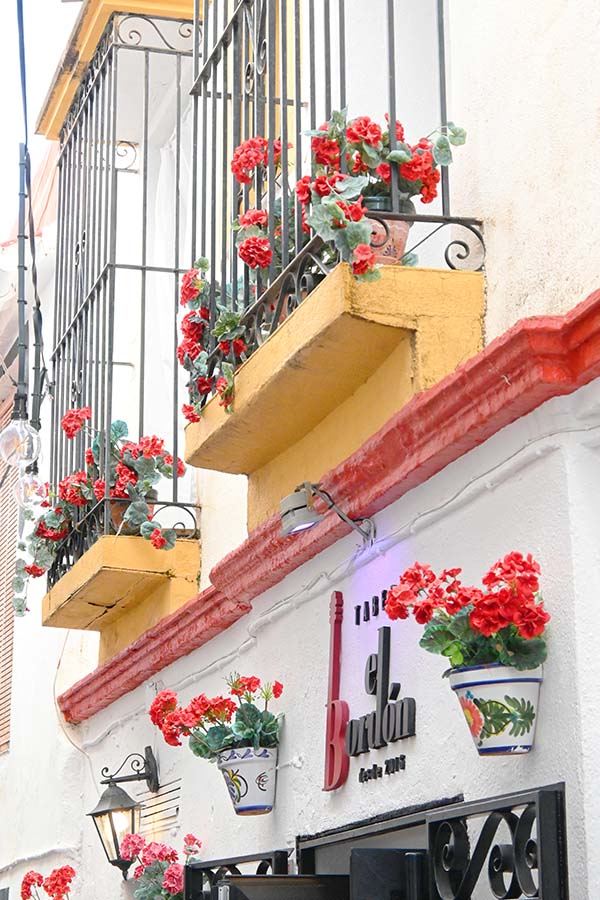
Marbella is a fast-growing city with around 170,000 residents, plus a large expat community and a steady flow of tourists. It’s a well-developed place with universities, cultural centers, museums, and various clubs and organizations based on different interests.
There’s always something happening, events, festivals, exhibitions, and for expats who are open to exploring and integrating into local life, there are many opportunities to stay engaged.
If you’re interested in meeting other expats, platforms like Internations.org, Meetup.com are very helpful. You can join groups based on your interests, such as hiking, art, food, or wine, and attend social events and meetups.
Overall, expat life in Marbella can be very rich and fulfilling if you actively seek out the experiences that interest you.
What I Wish I Knew Before Moving
One small but very real detail: many apartments in Spain have marble floors and no central heating. While this might sound luxurious, it can actually feel quite cold indoors during the winter months.
I wish I had known how much of a difference this makes. Now I understand the importance of having good indoor shoes or slippers and I would definitely consider this factor more carefully when choosing an apartment in the future.
Another thing is space. In the U.S., we lived in a large house, and even after downsizing significantly, we still brought more than we probably should have. Our current two-bedroom apartment (about 110 square meters) feels a bit tight for us.
Looking back, I would have spent more time searching for a slightly larger place. Apartments in Spain are generally smaller and often have lower ceilings, so while we expected some adjustment, there are still limits to what feels comfortable long-term.
For our next move, we will definitely prioritize space a bit more and take extra time during the search process.
Bonus Tips to Help You Settle In

Transportation & Getting Around Town
Getting around Marbella is relatively easy, even if you don’t have a car. Public transportation is well developed, and buses run daily, covering most areas of the city and surrounding towns.
You can pay directly on the bus (a typical ride within the city is around €1.18), or you can purchase a rechargeable transport card, which many locals use for convenience and slightly lower fares. The card can be topped up with cash directly on the bus.
One of the advantages of living in Marbella is how well it’s connected to other parts of the Costa del Sol. You can easily take a bus to nearby destinations, about an hour to Málaga and around 30 minutes to Estepona, which is another charming coastal town. Bus schedules are available online and at bus stops, and in general, buses run on time, which makes planning your day much easier.
If you prefer more flexibility, taxis, Uber, and Bolt are widely available. There are usually plenty of cars in the area, and wait times are typically short, around 5 to 7 minutes, sometimes even less.
If you’re considering renting a car, there are plenty of rental companies in Marbella. Just make sure to book in advance, especially during busy seasons. Keep in mind that streets in the city are often narrow, and parking can be a challenge. Sometimes it can take 15–20 minutes to find a spot, and parking spaces themselves are very tight. We’re still getting used to it, and it can be stressful at times, but having a car is definitely convenient for exploring the surrounding areas.
Shopping
When it comes to shopping, Marbella has a wide range of options. You’ll find well-known grocery stores such as Mercadona, Carrefour, Lidl, Aldi, and Hipercor throughout the city, making everyday shopping very convenient.
For a more complete shopping experience, there are larger centers like El Corte Inglés and La Cañada Shopping Center, which offer everything from clothing and home goods to restaurants and entertainment. These places can get quite busy on weekends and especially during the Christmas season.
Packing
As for packing, one important tip for visitors from the U.S. is to bring a plug adapter, since Spain uses European-style two-prong outlets and 220V electricity.
Marbella generally enjoys a mild climate, but the weather can vary throughout the year. Summers are warm and perfect for beaches and outdoor activities, but winters can be windy and rainy, so bring jackets, a raincoat in addition to comfortable, casual clothing for exploring the city.
Will You Move to Marbella?
Marbella is one of those places that’s easy to fall into, the lifestyle, the weather, the mix of sea and mountains. Planning to stay long-term or just for a few years, Marbella offers a quality of life that’s hard to match.
And even if it doesn’t become your forever home, it’s absolutely the kind of place that’s worth experiencing for a chapter of your life, one you’ll likely look back on with a lot of appreciation.


.png)
.png)


