


Naples, the unofficial capital of southern Italy, is often skipped by tourists as they make their way to the Amalfi coast. But the city center itself is unlike anyplace else in the world. It is full of welcoming and friendly personalities, delicious and even holy food, and soccer aficionados.
A big city with a fascinating blend of history and tradition, the population of around 3 million is full of life and character. Coming to Naples to visit is different from coming to Naples as an expat to live, however, and there is a lot to prepare for.
Welcome to this comprehensive guide to living abroad in Naples, Italy.
Short on time? Here's the cheat sheet
💭Living in Naples means living in a lively and chaotic city.
🏠Most expats choose to live in the neighborhoods of Vomero or Chiaia.
📚Make your transition easier and get a headstart learning the language with italki.
🛂If you're not from an EU country, you'll need a visa to live here. Most foreigners living here work for an international company or are students.
🤕Don't rely on luck alone. SafetyWing now offers 2 types of Nomad Insurance coverage options: Essentials for travelers and Complete for expats and digital nomads.
☂️Although the city is noisy and bureaucratically challenging,
🏖️It's well-connected and offers close proximity to the sea and nature.


Daily Life in Naples

Compared to Northern Italy or other Major European Cities, you will find Naples disorganized, chaotic, and slow-paced. Daily life is a sensory overload. Naples is full of loud noises, like honking and yelling, in both Italian and Neapolitan.
Mopeds will whizz by you in the tiny streets of the Spanish quarter while laundry flaps in the wind from the balconies above. The city has a relatively low cost of living, is full of historic buildings, narrow streets, fresh seafood, and young people.
One sensory pleasure Neapolitans take very seriously is the food: pizza dripping with mozzarella and fior di latte cheese, tomatoes ripe from the ashen earth of Vesuvio, seafood from the sea. You can eat very well here for very little money, and Neapolitans pride themselves on the quality of their amazing food.
Transit
Compared to other large Italian cities, Naples offers amazing local culture and large city life for a relatively low price. It's also a great home base for exploring Italy or the rest of Europe.
Naples is just one hour from Rome and five hours from Milan on the high-speed rail, which connects to Napoli from the central train station at Garibaldi. You can compare ticket prices on Italo or Railway Italia and enjoy a very comfortable ride up north.
The Naples International Airport is a great home base for traveling around Europe. It's worth noting that you can often find cheap flights on RyanAir or EasyJet, and the airport is easy to access via public transit. If you miss your home country, it's only a flight away.
Compared to other major Italian cities, Naples has a much more laid-back, hyper-local vibe. There are three funiculars that bring you up the Naples hills, and a central metro line for downtown access.
The town boasts amazing things to do in the historic center, and Naples itself is a UNESCO World Heritage Site. There are lots of impressive things to do downtown, like visit the National Archaeological Museum, where you can find artifacts from Ancient Greek and Roman times.
One thing to note: it's not easy to drive a car here. You can pay for private garage parking, but the traffic discourages you from driving in the city. There aren't many bike lanes, but a moped is a good choice if you want to be nimble.
Recommended Neighborhoods/Areas to Live and Housing

Accommodation in Naples is harder to find. In the centrally located historic center, many apartments have been converted to Airbnbs, driving up the cost and pushing locals further out.
Many expats choose to live in Vomero or Chiaia, where the neighborhood is more fancy and walkable, but the average price of rent is higher (between 2-3K euros per month).
Other popular residential areas include Posillipo, Pozzuoli, and Mergellina.
You can search for apartments on websites like Immobiliare.it or Idealista.it. Italian apartments often come completely unfurnished - but the bathrooms will always include a bidet!
Be sure to scrutinize your rental agreement and ensure it's reviewed by someone who speaks Italian.
Not quite sold on Naples? Consider moving to these other Italian cities instead:
Visas
Moving to Italy and getting a residence permit here is not easy - and takes a little creativity.
In Naples, many expats come on a work visa due to their jobs in the defense sector, like working on the NATO base in Lago Patria or the American Military base at Capodichino.
Others are here on student visas because of the excellent quality of higher education institutions. I've met people studying archaeology, volcanology, and agronomy at the University of Naples Federico II, the oldest public, state-funded, non-sectarian university in the world.
The proximity to Mount Vesuvius and Campi Flegrei, both of which are active volcanic sites, means earthquakes are frequent, but it increases the quality of the soil (for growing great veggies!). This makes for interesting field work in these studies.
I have also met students studying music at the Conservatorio di Musica here in Naples and others studying languages at the Università di Napoli l'Orientale. Many students can convert their student visas to working visas upon graduation, although the job market in Southern Italy is not strong.
Expat Life & Public Services
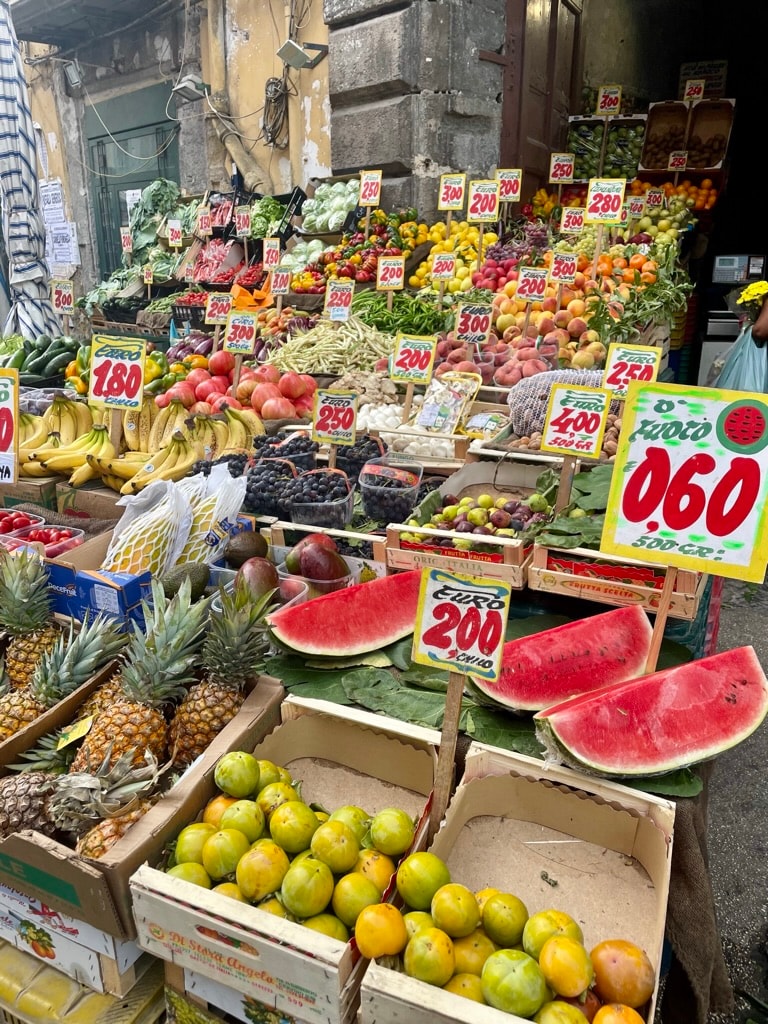
If you are intimidated by Italian bureaucracy, a little patience and tolerance go a long way here. Things won't be done the way you're used to. If you speak Italian, you will have a much easier time getting by.
Health Insurance is provided to all eligible residents; you can apply for a tesseria sanitaria at your local ASL office. I have found healthcare in Italy and Naples to be excellent, but I also have had private health insurance to cover private doctor visits as well.
Public services outside of healthcare are limited.
Parks are not common, and there are few green spaces or libraries. It's nice to escape to Bosco di Capodimonte, a big park in the north of the city, to walk and enjoy the former royal gardens. On the first Sunday of the month, all museums in Naples are free. My favorite museums are the:
- Donna Regina, a modern art museum
- and the Gallerie d'Italia Naples, which houses a collection of Neapolitan art and Greek ceramics.
Even further into the depths of Napoli, the neighborhood of Sanita boasts several amazing collectivos, where you can explore museums that benefit the neighborhood directly. My favorite is the Jago Museum, where a single sculptor exhibits in a former church.
Petty Crime
In Southern Italy, petty crime like pickpocketing and even car theft is common. Sometimes, people standing on the streets will ask for a few euros to watch your car while you have it parked on the street. It's ok to give them a few euros to avoid damage or theft of your vehicle.
As long as you are careful when using public transit and don't flaunt any expensive purses, watches, or jewelry, you won't make yourself a target.
Generally, I feel very safe here, even as a woman walking alone at night, and violent crime is not the norm.
Meeting People
Expat life is different than other countries in Europe; there are only a few co-working offices with small and limited facilities. Expat groups are great to join on Meetup.com or through Girl Gone International, a Facebook group for meeting expats abroad.
Being able to communicate in Italian will also open up this city to you. Depending on your goals, I recommend these apps/platforms to kick off your language learning:
- Drops: Use the free version of this app for 5-minutes of vocab lessons a day. This is good for improving vocab but little else.
- Babbel: Babbel is similar to Mondly but also teaches cultural tidbits during the language lesson.
- iTalki: If you're more serious about learning to speak the language, this platform allows you to have 1:1 or group lessons with native teachers.
Things to Do in the Region
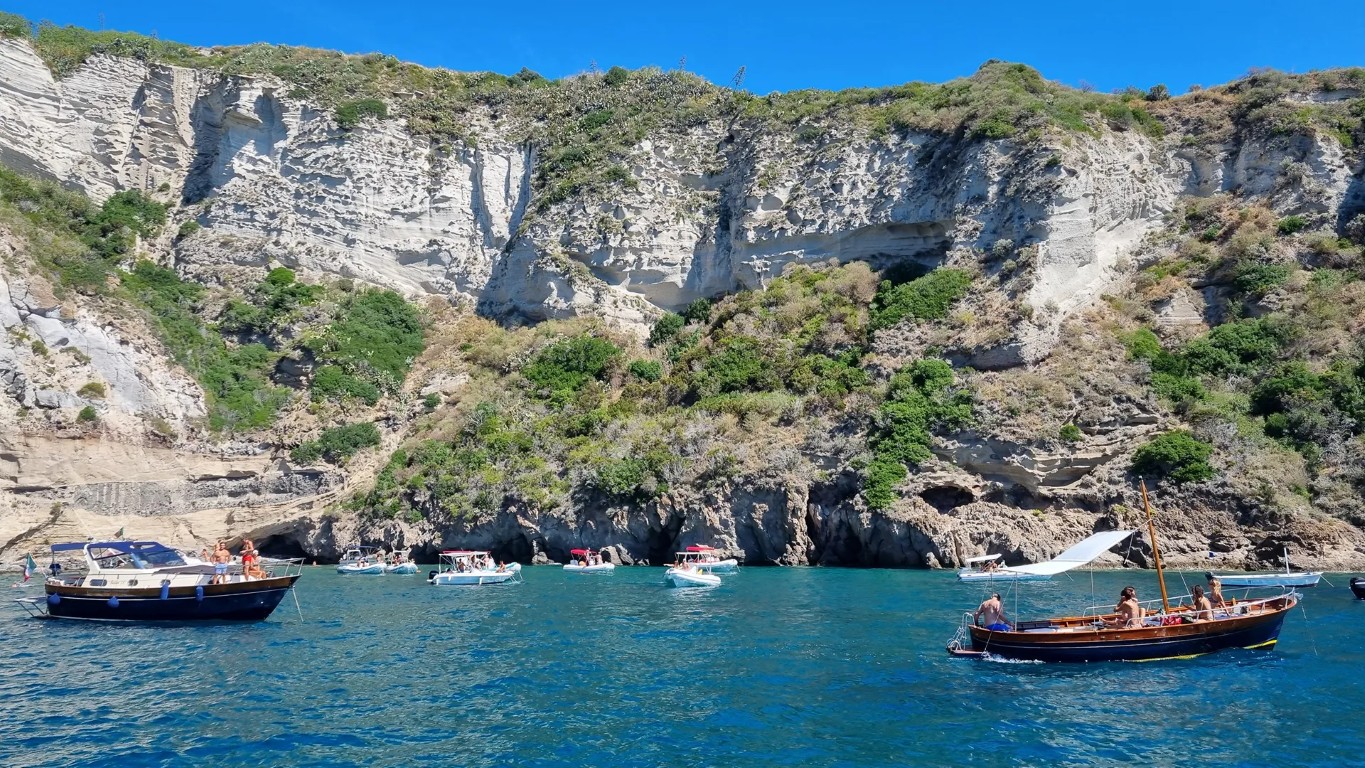
Outside of the city itself, the Campania region is rich in outdoor activities. It is home to Mount Vesuvius, which is fun to hike around during the winter, as well as hiking along the Amalfi coast and up in the surrounding mountain towns.
In the fall, mountain towns host plenty of sagre, or food festivals, to keep you entertained, like annual chestnut or mushroom festivals.
Just one hour away, you can visit the Reggia di Caserta, the former palace of the Kingdom of Naples.
Finally, one of the most important parts of Neapolitan culture is il mare. Naples is surrounded by the ocean, and is even nicknamed Parthenope, after a Greek legend states that Odysseus was wooed into Naples by a beautiful mermaid.
Summertime is a treasure for the bronzed bathing beauties of Napoli. There are plenty of places to escape for some beach time in the city, like the beautiful Marechiaro or the beaches of Bacoli or Puzzuoli.
One hour from Naples are the islands of Capri, Procida, and Ischia via the ferry, and you'll feel like you've entered another time and space entirely. The peacefulness of the islands is in direct contradiction to the chaos of Napoli.
You can also take the ferry to the Amalfi coast, which is my preferred way of travel when the tourists descend in the summer! You'll want to reserve beach clubs in advance; this ensures you have two chairs and an umbrella to use for the day.
There aren't too many free beaches in Naples, except for the city beaches, where you'll find retired nonni setting up with some homemade pasta.
Pros & Cons of Living in Naples
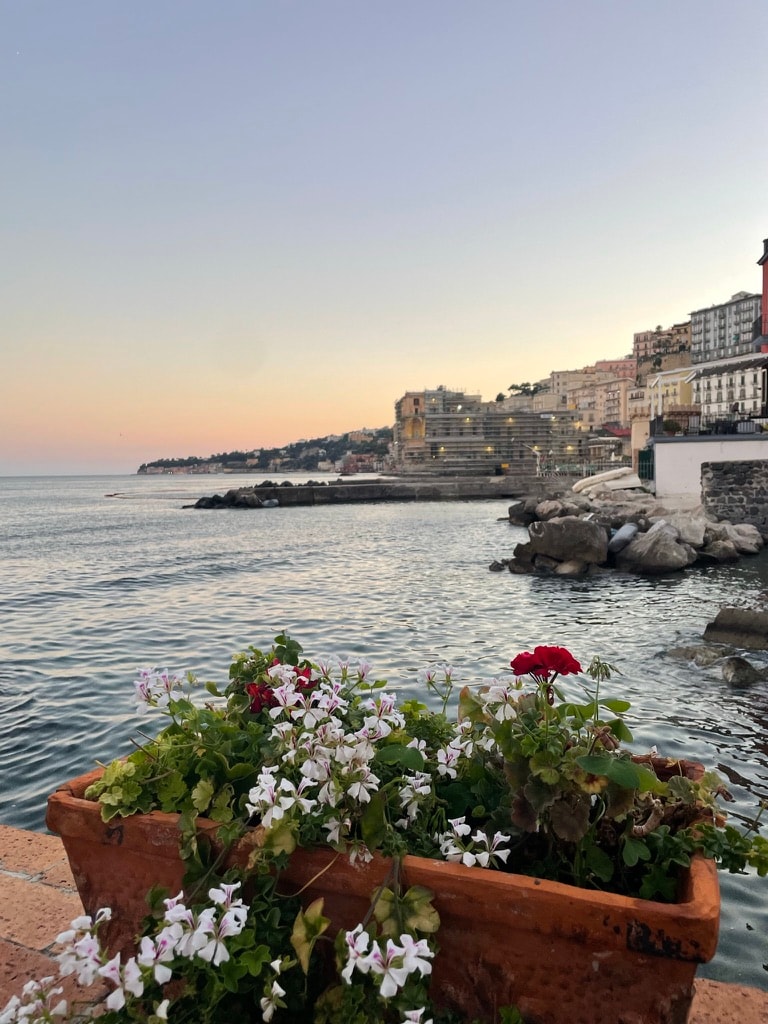
The pros of living in Naples are that it's cheap, well-connected to the rest of Italy and Europe, has amazing cuisine, and is in proximity to the sea and nature.
The cons are that it's chaotic, bureaucratically challenging, and doesn't offer a strong digital nomad or tech scene. There are no laptops in cafes here.
Instead, you will experience authentic Neapolitan culture. I wish I had known before moving here that I would have to "give up" what I thought was the most efficient or pragmatic way of getting things done - instead, I would experience a whole new perspective on resourcefulness and living well.
Will You Move to Naples?
Overall, Neapolitan culture differs from Italian culture. Once you have proved yourself and shown your staying power, Neapolitans will welcome you with open and friendly arms. You will be spoiled with memorable meals, affection, and generosity. If you are looking for a laid-back city and real, authentic culture, then look no further than Napoli.


.png)
.png)


