


I was perhaps naïve when I used to imagine what my life in the South of France would look like before we arrived. I pictured endless warm days, antique lace curtains, a soft breeze, lavender, wine, bare feet and linen.
In reality, the Luberon Valley is one of contrasts, harsh seasons and the occasional isolation of a rural life. It's also full of characters, wildlife, beauty and art.
My boyfriend and I moved from London to the village of Bonnieux the week before my 26th birthday.
It's a town nestled below the cedar forest of the Petit Luberon, facing Mont Ventoux to the north. Medieval hilltop villages rise above the mist on foggy days. On the north side of the valley, olive trees dominate rockier landscapes – in the southern part of the Luberon, we are surrounded with cherry fields, lavender and vast stretches of vines. The old Roman bridge known as the Pont Julien marks one's way to the village from the main highway.
While it's been a transition for us, living in Bonnieux has a lot to offer. Here's what you might want to know if you're also planning a move to small town life in the South of France.
Short on time? Here's the cheat sheet
💭Living in Bonnieux means small town village life, only right for a certain type of person.
🏠The population tends to fluctuate with less people staying throughout the year.
📚Make your transition easier and get a headstart learning the language with italki.
🛂If you're not from an EU country, you'll need a visa to live here. Personally, I was able to get an ‘auto-entrepreneur’ visa.
🤕Don't rely on luck alone. SafetyWing now offers 2 types of Nomad Insurance coverage options: Essentials for travelers and Complete for expats and digital nomads.
☂️Although you'll have to give up city conveniences,
🏖️You'll enjoy living closely in line with the seasons and nature.


Daily Life in Bonnieux
On Friday morning, market stalls fill the main square. A bakery, antique shops and cafés line the streets leading from the new church (dating from the 19th century) to the old church at the top of the hill, which dates as far back as the 12th century.
From the old church, on a clear day, the view stretches across the Luberon Valley. A short walk from the heart of the village, the Louise Bourgeois Chapel is a marker of the village's artistic history, and walking distance is the luxury hotel the Capelongue, something of a symbol of the tourist industry here.
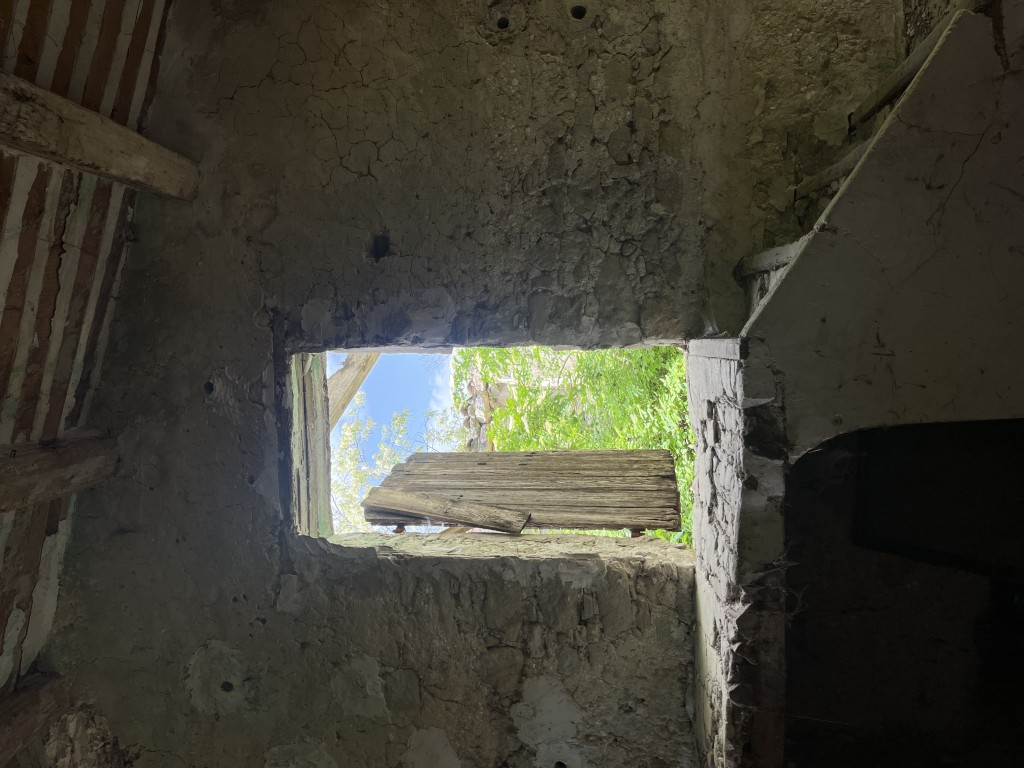
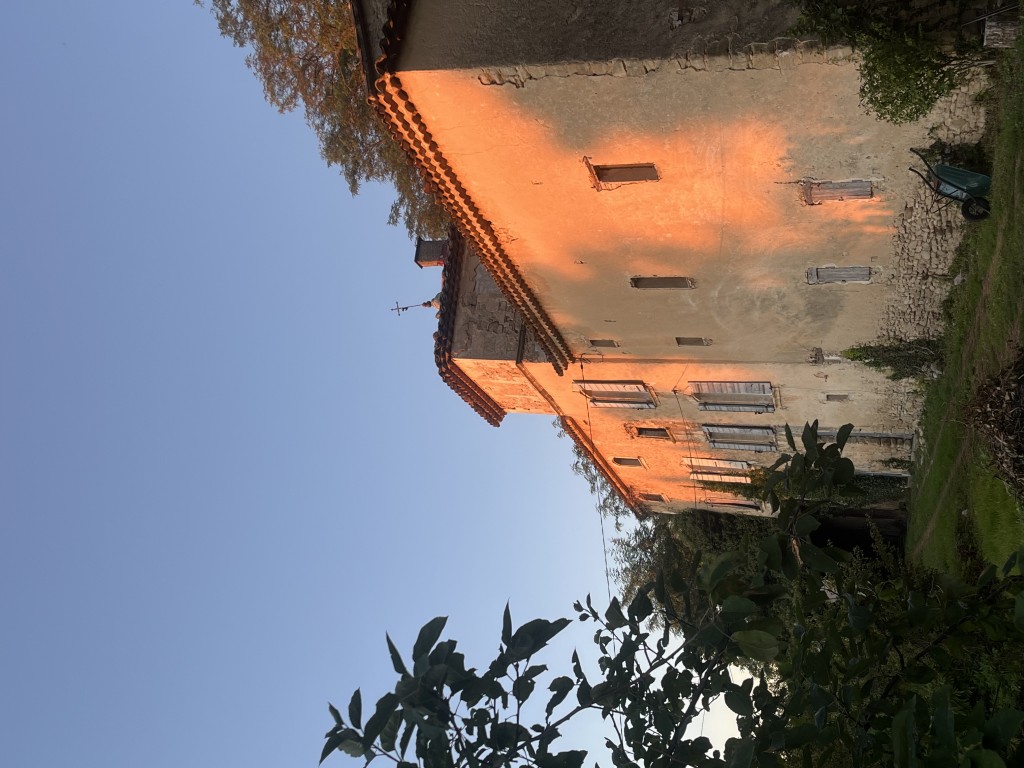
We chose Bonnieux for the special (if rustic) house we found. Two-thirds dilapidated and one-third livable, it’s seen many lives: as a farmhouse, silkworm factory and originally a convent.
It’s an unusual situation and rental - most buildings of its type have been done up to a hotel-ish, formulaic standard. We felt lucky to find somewhere to call home that is still dans son jus, as any French person we invite over will say, sometimes with some fear and hesitation in their eyes.
The 4 True Seasons
In the Luberon Valley, situated in the Vaucluse region, the landscape is harsh and beautiful. Our neighbours are an interesting contrast of wealthy, retired expats and hardened, Southern French locals and farmers.
Winters in Provence bring hard frosts and dark evenings. I rush home from the village after work. The street lights in Bonnieux - of which there are few, disappear quickly as I drive towards the 17th century convent my boyfriend and I have made home. Boars rustle in the brambles behind the house at night. We chop wood to heat the house and are rushed to the warmth of bed by the darkness of a countryside lacking close neighbours and street lights.
As spring and summer come, we begin to get in our car and drive to the coast - or to the Sorgue river for an icy plunge to shock the system. Evenings are long - we linger in the village long after the work day, sit among the cherry trees eating dinner with friends, and lose track of time as the warmth lingers long after the sun goes down.
Water in the area is a source of magic and mystery - the Fontaine de Vaucluse is one of many springs of unknown origin, and the Sorgue (the river that flows from this spring) is rumored to have healing properties.
Seasons show themselves in the fruit trees outside. We wait with intense excitement for the explosion of cherry blossoms in April. In Summer we are met with an abundance of cherries, followed by grapes on the vine. July brings the constant lavender smell, quickly harvested. By August the pears and plums start to arrive, and in September we’re buried under apples.
The proximity to nature here is immediate: I feel and see the seasons change in the way that I’ve never experienced having only ever lived in large cities.
The Fluctuating Population

Our valley is known for its hilltop villages, with medieval roots and dry stone walls and houses that maze up and down steep hills. These medieval hilltop villages are well known to tourists - Gordes and Ménerbes especially. In Bonnieux, the tourist trail is just as lively.
In the summer, bikers, walkers and camper-vanners alike swarm to Bonnieux for its lavender fields (an occasional traffic risk), for its views over the Luberon Valley, and for access to beautiful cycling routes.
This means that in the winter, the Bonnieux population shrinks considerably. Restaurants and shops close, traffic disappears. In some Luberon villages even the bakeries close for a few months. The sense of isolation is heightened by shorter, colder days and the need to stay inside.
The number of year-round residents is dwindling: rentals longer than a week are few and far between, with most homes being holiday rentals that bring in enormous income in the summer. Other people our age face enormous difficulty in finding living situations: the toll on the year-round life and business due to so many homes being second homes and holiday rentals is enormous.
French Visa Options
Visa troubles have been the backbone to the story of my twenties: as rules were tightening in England, it was getting harder for me (an American national) to stay.
Given we were both ready for a new adventure and my boyfriend had been wanting to get back to the Luberon, it was the obvious choice when we found out the visa process to become an ‘auto-entrepreneur’ (freelancer) was straightforward.
French bureaucracy was a discouraging hill to climb. I can't count the hours spent either on the phone to helplines or trying to create various online accounts on platforms intended for ease, but which only cause problems.
Somehow, with time, patience, and eventually coughing up to pay an accountant for help along the way, I’ve somehow managed to stay and set up my auto-entreprise - freelance business. The freelance worker visa is a fantastic path, especially for those hoping to work in France and not be constricted to remote work.
In similar routes to this one, there are visas for retirees and for remote workers. Most require proof of an income source, or for our case, a good business plan and enough savings that one can support themselves while getting set up. Letters of intent to collaborate from friends in the region were a major help as well – for a freelance visa, local knowledge and connections are an upper hand.
Get more details on French visas and how you can move to France.
Living in a Tiny Village vs. Big City
There are times I miss living in a city like London - the rush of the city, the anonymity, the endless variety and diversity. But I've come to really love how living in Bonnieux encourages a different pace of life: slower, where we've learned to live with a little less immediacy and convenience.
The culture in the South of France of markets has dictated our routine: we plan our meals and shop around what we can find at the Saturday Morning market in Apt – one of France’s oldest markets that’s been running continuously with few exceptions for 900 years. Market stalls line the cobbled streets – offering local fruits and vegetables, seafood freshly caught from the Mediterranean, cheeses and honey. Our diet is constricted by what’s in season: we get sick of asparagus and strawberries for three weeks and then won’t see a single shadow of those flavors until the next year.
It's a contrast to the way we shopped in London, where so much produce is wrapped in plastic and imported from who-knows-how-far away. It might seem like a small change but it’s one of the things I love most about life in the area – a market-led, seasonal diet.
If you're not quite sold on small town life, consider these other French cities:
Language Barriers & Finding Community in the South of France
My boyfriend has friends from growing up in the area - I'm so grateful for this while getting settled. But even though he had his people here, I needed to feel like I could make my own friends.
The French language is ruthless and unforgiving. In the Vaucluse/Luberon, unlike larger cities, speaking French is an imperative in order to function socially and professionally: thankfully, there is a greater sense of forgiveness (at least I presume) for someone like me, a certain maker of mistakes and possessor of a noticeable accent.
Socially, in my experience it took a little longer (as an American) to create relationships and foster a little community of my own that I have been accustomed to in my native language. But this makes it so rewarding when it starts to happen and come together.
Depending on your goals, I recommend these apps/platforms to kick off your language learning:
- Drops: Use the free version of this app for 5-minutes of vocab lessons a day. This is good for improving vocab but little else.
- Babbel: Babbel is similar to Mondly but also teaches cultural tidbits during the language lesson.
- iTalki: If you're more serious about learning to speak the language, this platform allows you to have 1:1 or group lessons with native teachers.
What I Wish I Knew About Living in Bonnieux

I wasn't quite ready for all the contrasts that living in a village such as Bonnieux provides: the way the weather differs from season to season already was a surprise, the totally different sides culturally from expats to agricultural workers, the stunning views and the most beautiful villages, that go nearly completely silent as soon as October passes.
I've grown to love the striking, varied and unique life it's brought me to lead. Watching the seasons change and the wildlife come and go, I’ve also grown to love this closeness to nature - the rhythm of the year, and even of our days, is out of our hands.
Will life in Bonnieux be as intriguing to you as it has been to me?
Hero picture courtesy of depositphotos.com.


.png)
.png)


