


Strasbourg — the charming European capital; a city that surely makes it into everyone’s top three “must-visit” Christmas market destinations.
Home to many international, multilingual people and to countless cyclists — since biking is a very common way of getting around — from students to professionals, from the university, the European Parliament and other European institutions. Also the close neighbor of several countries: Germany, Switzerland, and Belgium.
Strasbourg can absolutely be the perfect place for you if it’s your first time living in France — whether for your education or for a new professional path. The city is heavily influenced by both French and German cultures, offering a fascinating blend that you can feel in its architecture, daily life, and cuisine.
Plus, if you’re looking for a city that’s not as big as Paris or Lyon but not as small as Besançon, Strasbourg, as a mid-sized city, it's made for you. With lots of events happening year-round and its not-too-crowded vibe (except during the Noël period!), you’ll definitely find some calm and feel at ease.
This is a place where many residents cherish the balance between tradition and modernity — a key part of what makes Strasbourg so special. You’ll quickly notice that the French language and French culture are ever-present here, yet the city remains open, diverse, and welcoming to people from all over the world.
Let me now take you on a little tour to explore every aspect of living in this charming European capital to see if Strasbourg could be your next (or first) home abroad.
Short on time? Here's the cheat sheet
💭Living in Strasbourg means getting the best of both France and Germany.
🏠There's an area for everyone here but my personal favorite is Neudorf.
📚Make your transition easier and get a headstart learning the language with italki.
🛂If you're not from an EU country, you'll need a visa to live here. Luckily there are options but French bureaucracy is not known for speed.
🤕Don't rely on luck alone. SafetyWing now offers 2 types of Nomad Insurance coverage options: Essentials for travelers and Complete for expats and digital nomads.
☂️Although housing can be competitive and tough to find,
🏖️Living in Strasbourg means an international community, where many languages, cuisines, and cultures thrive.


First things First: The Logistics
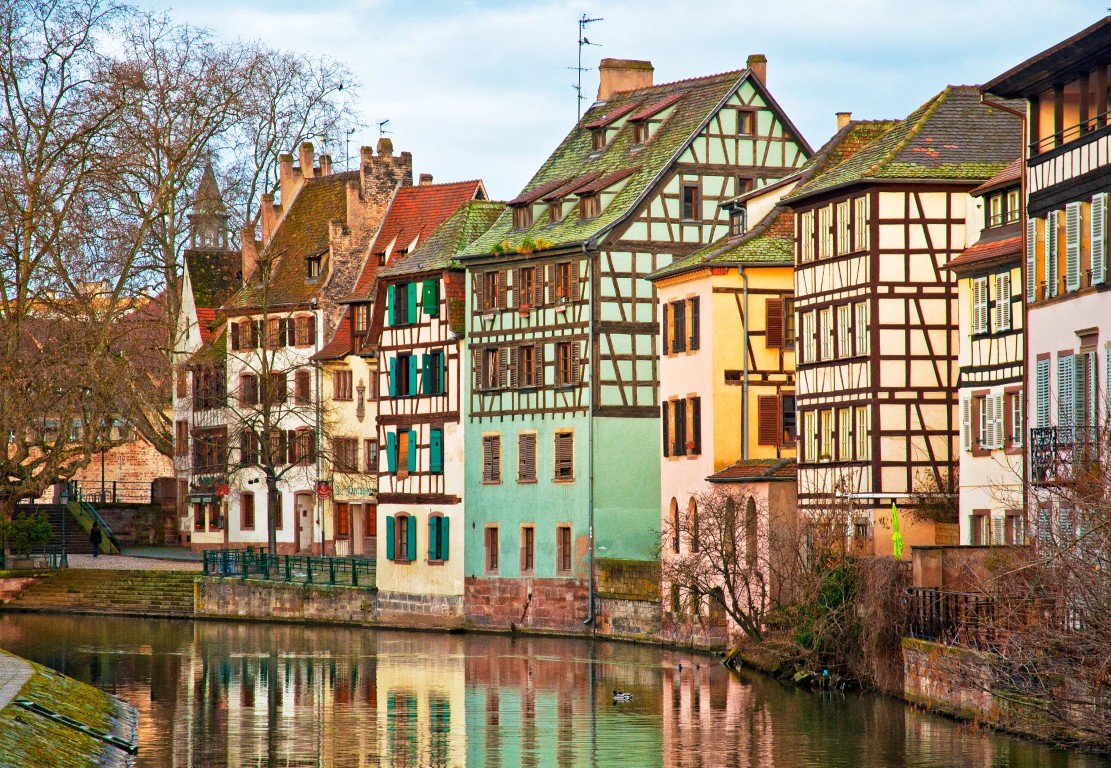
I believe these three topics are the main things we start thinking about before moving to a new city. And if I put myself in your shoes, I’d really appreciate some insider knowledge on these matters — so let’s get started.
Visa/Passports
If you’re coming to Strasbourg from outside the European Union, you’ll most likely need a visa — the type depends on how long you plan to stay and what you’ll be doing.
For short visits (up to 90 days), a Schengen visa is usually enough, while for stays over three months to work, study, or live, you’ll need to apply in advance for a long-stay visa (visa de long séjour) that fits your situation.
Once in France, this visa often needs to be validated online or converted into a residence permit (carte de séjour). You’ll need a valid passport, proof of accommodation, health insurance, and sufficient financial means. The process takes some time, but it’s well worth it once you’re settled and enjoying life in such a beautiful city.
If you’re from another EU or EEA country (or Switzerland), good news — no visa or residence permit is required. You can move freely, rent a place, and even open a French bank account without much paperwork.
For more details on this, read our full guide on how to move to France.
Healthcare System & Social Insurance
You might already have heard — or soon will — people talking about the famous sécurité sociale and assurance maladie.
But there’s no need to panic! Once you start learning how these systems work, it all becomes much clearer. In fact, you’ll soon realize that the healthcare system is one of the best things about living in France — Strasbourg included, of course.
First, you’ll need to register with the French social security system (sécurité sociale) and get your social insurance number. This will open the doors to the national healthcare scheme. For non-EU nationals, it’s good to keep in mind that registering for health insurance is part of your visa or residence permit process.
Housing in Strasbourg

Since 2019 — my first time moving to France for my studies in Strasbourg — I’ve clearly seen how prices have risen when it comes to housing and rent. Like in most French cities, Strasbourg has become more expensive over the years.
But no need to worry right away, because Strasbourg still offers plenty of options for those looking for a cozy place to call home at reasonable prices.
Finding housing can take time, especially before the academic year starts. While many young professionals and students choose colocation (flat-sharing), couples and families can find lovely one-bedroom apartments or houses through websites like:
Prices have gone up slightly but remain quite reasonable compared to larger French cities such as Paris or Lyon.
Apart from public and private university residences and studios, colocation is a very popular choice. There’s even a dedicated French platform for this purpose — Carte des Colocs — which makes life much easier for newcomers. You simply create your profile and describe what you’re looking for.
But — and this part is important — having been on both sides of this process (searching for a coloc and looking for new colocs for my apartment), I can tell you that many people, including myself, pay close attention to your profile: what you write, how you present yourself, and what kind of expectations you share. So, it’s worth taking a bit of time to set up a profile that really stands out.
Keep in mind that finding a home can take more time depending on the season. For instance, August–September is when many students are searching for accommodation, so you might need to try a bit harder and wait a little longer.
Best Areas to Live
If you're able to be picky about where you stay, pay attention to the area to find the right fit within the city. When it comes to neighborhoods, Strasbourg offers something for everyone:
- Neudorf, my personal favorite, is a calm, family-friendly area with local markets, cozy cafés, and a genuine community feel. It’s close enough to the center to stay connected but far enough to enjoy peace and quiet — a perfect balance for long-term living.
- Krutenau is lively and full of personality, known for its artistic energy, student life, and independent shops. It’s ideal if you like social spots, coffee breaks, and discovering new local places.
- Étoile Bourse is very practical — one step away from public transportation — making it easy to get around the city.
- Orangerie is elegant and peaceful, close to the European institutions, the Council of Europe, and several embassies. Its beautiful park is perfect for outdoor activities or simply enjoying a quiet afternoon.
No matter your lifestyle or budget, you’ll find a corner of Strasbourg that feels just right for you.
Languages, Social Life, & Alsatian Culture
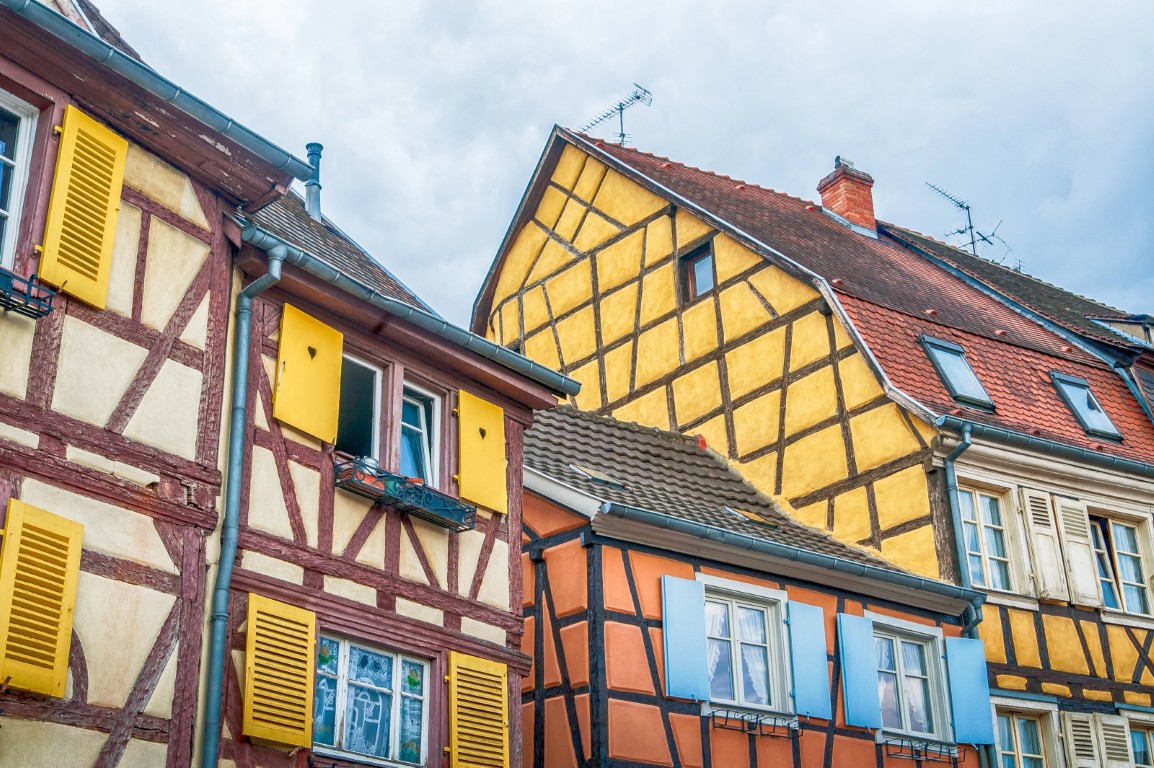
In this European city, French is the official and most widely spoken language, but you’ll also come across Alsatian — especially on the menus of local restaurants. This is a Germanic dialect spoken in the Alsace region of France (where Strasbourg is located).
Due to the region’s rich history and its shared border with Germany, it’s also quite common to hear people speak German around you. When it comes to English, it is generally well understood by the majority of the population. Nevertheless, despite Strasbourg’s international atmosphere, I would highly recommend learning the basics of French — it will certainly make your daily life easier.
Alsatians are often proud to talk about their culture, traditions, and unique Alsatian cuisine, so it’s always a great idea to learn a little about them — you’ll definitely impress the locals when the time comes!
If I had to give you just one source to catch up on everything — from events to festivals, restaurants to bars and cafés, and all the latest stories happening in Strasbourg — it would undoubtedly be Pokaa, a Strasbourg-based digital media platform.
Not sold on living in Strasbourg? Consider these other French cities instead:
Making Friends & Settling In
Strasbourg is incredibly international — thanks to the European Parliament and several universities, you’ll meet people from all over the world. There are language exchanges, expat meetups, and plenty of opportunities to practice French. Even a few words go a long way when connecting with locals.
Expect warm summers, colorful autumns, and pretty cold winters. Still, each season has its charm, from cycling along canals in spring to cozying up at cafés in winter.
A Few Must-Sees in Strasbourg
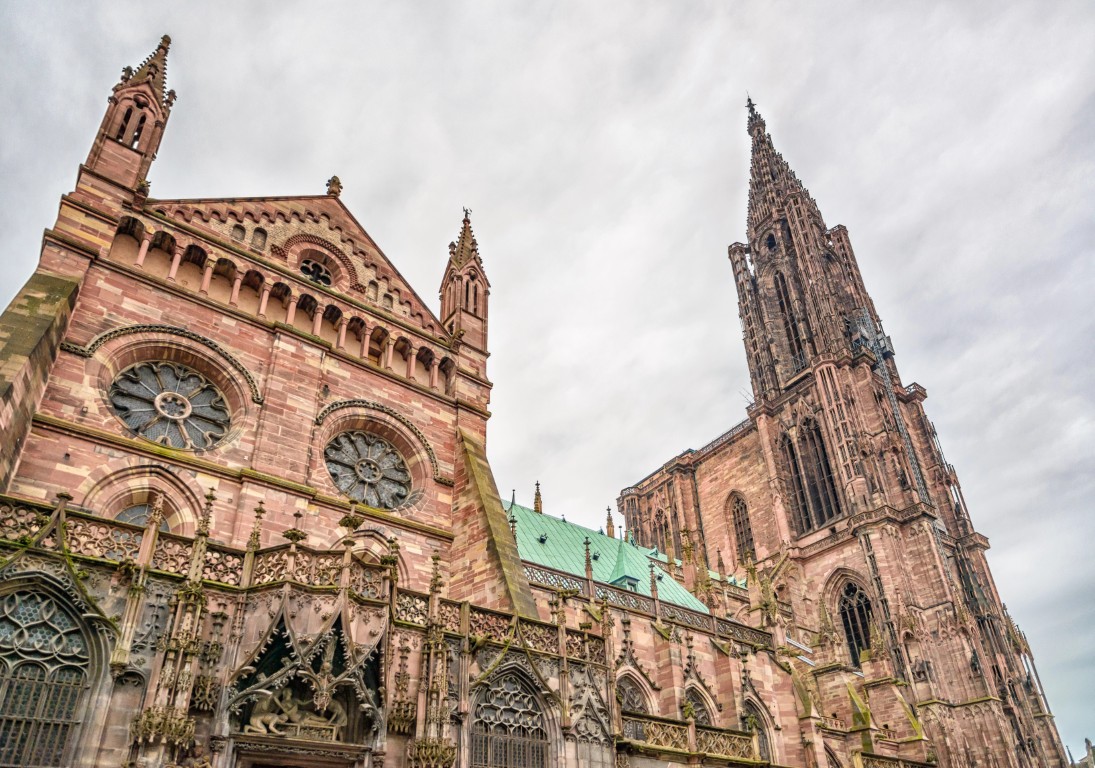
Depending on the vibe you’re after, Strasbourg has something for everyone. The magnificent Cathedral, affectionately called “Môman” by locals, is an absolute must — take a moment to soak in its stunning Gothic details before snapping that inevitable photo.
Krutenau is one of the liveliest neighborhoods, filled with cozy cafés like Café Bretelle, quirky spots and scenic paths along the Quai des Bateliers, perfect for a stroll or a riverside run.
The picturesque La Petite France charms every visitor with its half-timbered houses, canals, and inviting local shops and cafés — it’s a true symbol of the city’s Alsatian character.
In winter, Strasbourg turns into the “Capital of Christmas”, glowing with festive markets, vin chaud, spaetzle, and sweet crêpes — don’t miss the main squares, or take a short train ride to smaller, storybook villages like Riquewihr or Obernai.
And for a real taste of local life, head to Binchstub for a classic tarte flambée (or flammekueche).
Some Pros & Cons of Living in Strasbourg
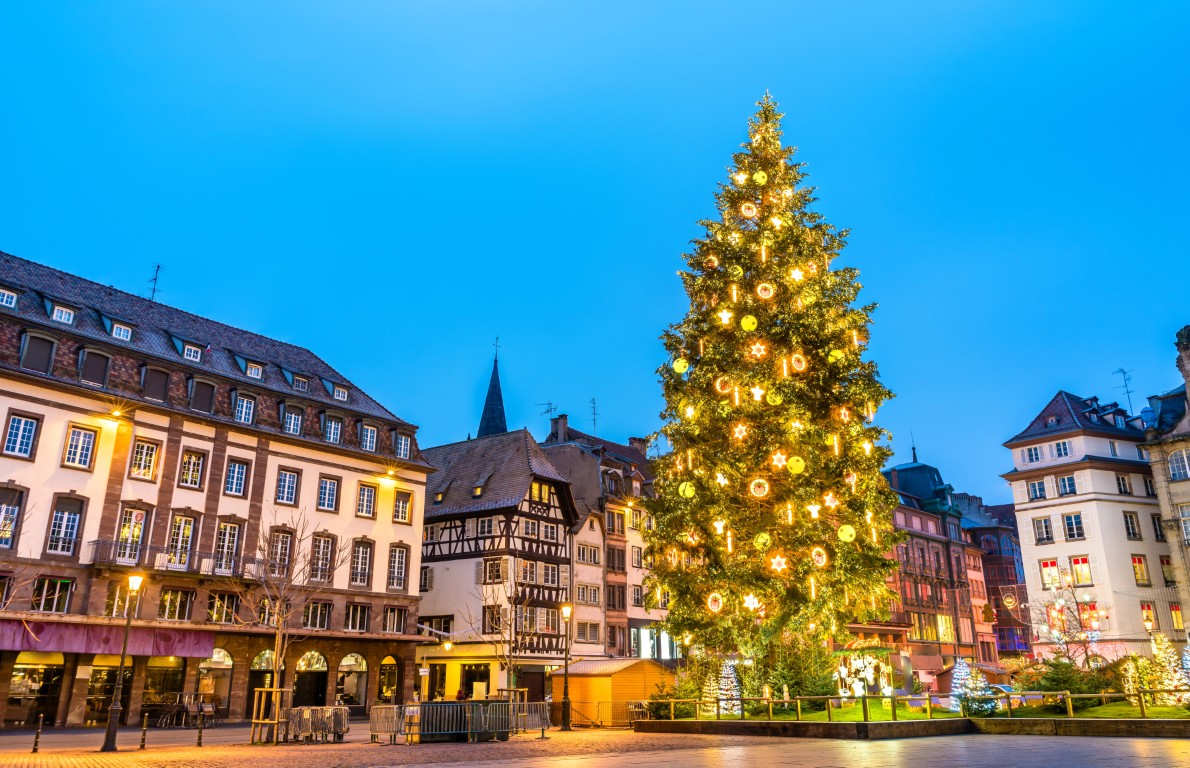
Lastly, I'll leave you with a few more pros and cons about living in Strasbourg to help you gain confidence in your decision on moving here (or not!).
Pros
- Excellent public transportation and bike-friendly infrastructure.
- Safe, clean, and easy to navigate.
- Rich cultural scene with plenty of events year-round.
- A diverse, multilingual community.
- Beautiful architecture and easy access to both French and German cultures.
Cons
- Finding housing can be competitive at certain times of the year.
- Winters can feel quite harsh because of the rainy and dark weather.
- While many people speak English, daily life is smoother if you learn French.
Will You Move to Strasbourg?
At the end of the day, all these tips and recommendations I’ve shared are meant to serve as guidance while you create a new life and routine here.
My personal note would be to take the time to meet and connect with new people. Because wherever in the world you move, as long as you surround yourself with good people — the kind who keep you inspired and with whom you can share life from every different angle — you will be alright.


.png)
.png)


