


I never planned to live on an island. I was 24, working remotely from Córdoba, Spain, for a US tech company, and slowly realizing that between income tax, social security, and VAT, Spain was taking almost half of everything I earned. My partner and I started researching alternatives, and Cyprus kept coming up.
Lower taxes, EU member, English-speaking, warm weather, affordable. We visited for a week, fell in love with Larnaca, and three months later we had packed up our apartment in Spain and moved.
That was about a year ago. Here's what I wish someone had told me before I made the jump.
Short on time? Here's the cheat sheet
💭Living in Larnaca offers a slower pace of life that's outside of the "expat bubble" found in other cities in Cyprus.
🏠Although Larnaca is small, there are some options about where to live. We chose Mackenzie Beach area and love it.
📚Make your transition easier and get a headstart learning the language with italki.
🛂If you're not from an EU country, you'll need a visa to live here. For EU citizens, the process to get residency is very straightforward.
🤕Don't rely on luck alone. SafetyWing now offers 2 types of Nomad Insurance coverage options: Essentials for travelers and Complete for expats and digital nomads.
☂️Although you'll definitely need a car to get around,
🏖️You'll enjoy great weather, tax benefits, and a welcoming city.


Why Larnaca (& Not Limassol or Paphos)
Most expat guides will point you to Limassol or Paphos. Limassol is the business hub, full of tech companies and Russian-speaking expats. Paphos is where British retirees go. Both are great, but they weren't for us.
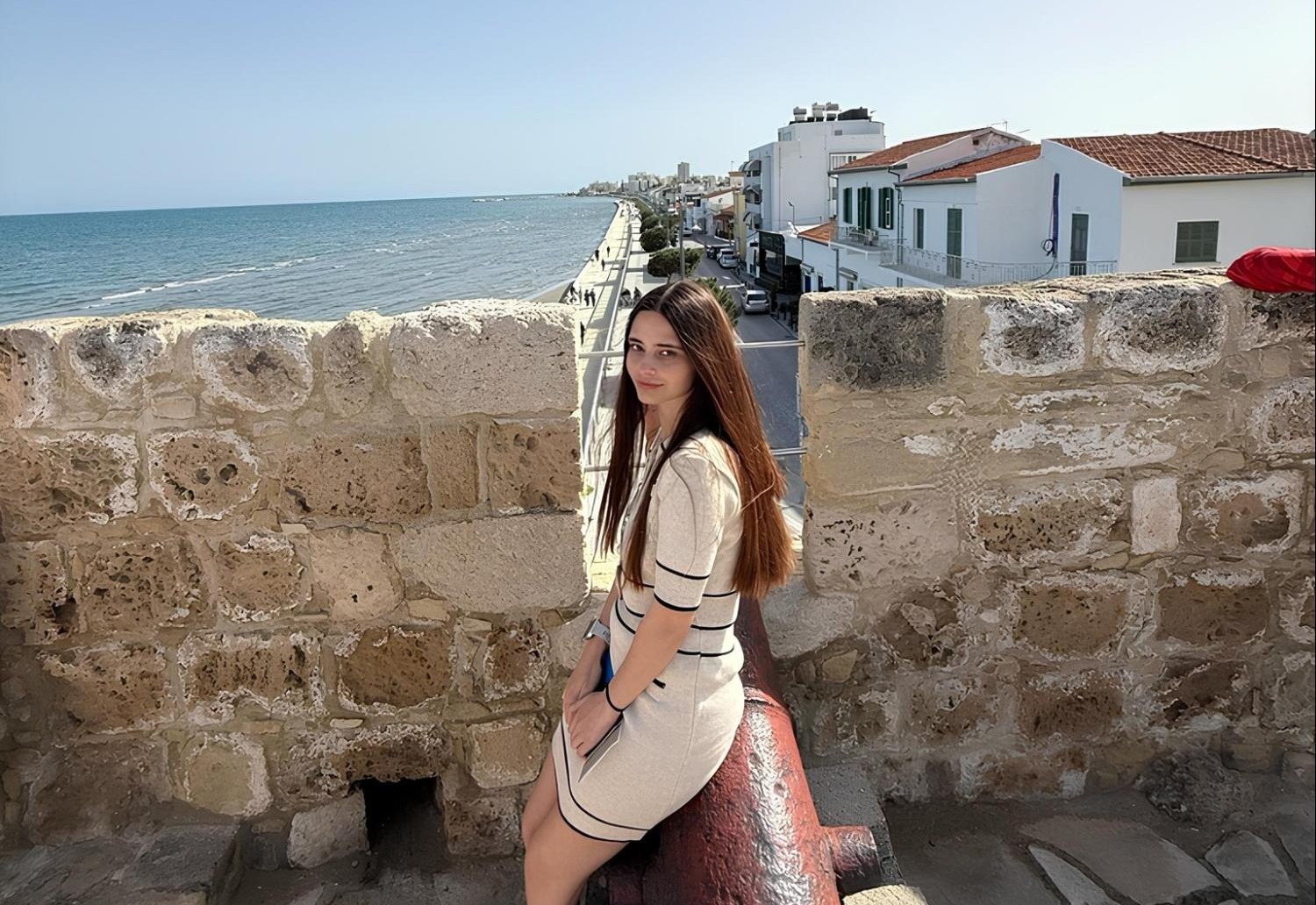
Larnaca is the underdog. It's smaller, quieter, and way more affordable. Rent here is easily 30-40% cheaper than Limassol for the same quality. The airport is literally 10 minutes away, which is a huge plus when you travel for work. The Finikoudes promenade is gorgeous, the old town around the castle has real character, and the beaches are clean and never packed.
The vibe is more "real Cyprus" and less "expat bubble." You'll hear Greek on the street, eat at family-run tavernas, and actually feel like you live somewhere, not just visiting.
The Best Neighborhoods in Larnaca

Larnaca isn't huge, but the neighborhood you pick matters. Here's a quick breakdown:
Finikoudes / City Center
Right on the waterfront promenade. Walking distance to restaurants, cafés, the castle, and the beach. More expensive and noisier, but you get the "Mediterranean city life" feeling. Great if you want to be able to walk everywhere.
Mackenzie Beach Area
South of the center, close to the airport. This is where most of the newer apartment complexes are. It's quieter than the center, has its own beach strip with bars and restaurants, and feels more residential. This is where we ended up and I'd recommend it for most expats.
Drosia / Kamares Area
Further from the sea, more suburban. This is where Cypriot families tend to live. You get bigger apartments for less money, but you'll definitely need a car for everything. Good if you want space and don't mind a 10-minute drive to the beach.
Oroklini
A small town just north of Larnaca, about 10 minutes by car. Even cheaper, quieter, and surprisingly charming. Some expat couples choose it for the extra space and village feel while still being close to Larnaca for work and socializing.
How to Find an Apartment
This was honestly one of the hardest parts of moving to Larnaca. Forget Idealista or any platform you're used to from back home. In Cyprus, apartment hunting works through:
- Facebook groups: Search "Larnaca rentals" or "apartments Larnaca." This is where most listings appear first. Join them before you arrive so you already have a feel for prices.
- Local agents: They charge one month's rent as a fee, but they know what's available before it hits the market. Ask around at coffee shops or coworking spaces for recommendations.
- Walking around: Seriously. Many landlords just put a phone number on the balcony. Old school, but it works. This is especially true in the older neighborhoods closer to the center.
- Bazaraki.com: The Cypriot version of Craigslist. Filter by Larnaca and check daily. New listings go fast.
We ended up in a modern complex in Finikoudes area with a pool, gym, and underground parking for €750/month. In Spain, something like this in a comparable city would easily cost double.
My biggest tip: come for a week or two, stay in an Airbnb, and apartment hunt in person. Trying to do it remotely is frustrating because landlords prefer to meet you face to face before signing anything.
Real Cost of Living in Larnaca
I won't throw vague ranges at you. Here's roughly what we spend per month as a couple:
- Rent: €750 (2-bedroom apartment with pool, gym, parking)
- Groceries: €350-400 (we cook most meals at home)
- Eating out: €150-200 (a nice dinner for two is €30-40)
- Car: €250 (fuel + insurance, we bought a used car for €5,000)
- Utilities: €80-120 (depends on AC use in summer)
- Internet + phones: €50
- Health insurance (GESY): included in social contributions
Our monthly total comes to around €1,600-1,700/month for two people. That's living comfortably, not scrimping. In Córdoba we were spending more and earning less after taxes.
The Boring but Important Stuff
Visa & Residency
If you're an EU citizen, moving to Cyprus is straightforward. You show up, register at the Civil Registry (called MEU3), and get your Yellow Slip (residency certificate). You'll need:
- Rental contract
- Employment contract or proof of self-employment
- Health insurance or GESY registration
- Passport photos
The whole process took about 6 weeks for us. The bureaucracy is slow, which is probably the most frustrating thing about living here. Everything takes longer than you expect.
My biggest tip: bring extra copies of every document and be patient. Getting angry at the immigration office doesn't speed anything up (I learned this the hard way).
Taxes (Yes, I Have to Mention It)
I won't pretend taxes weren't a factor. They were the main factor for our move. In Spain I was paying close to 45% between IRPF, social security, and autonomo fees. In Cyprus, as a non-domiciled resident, I pay an effective rate of about 5%.
The non-dom regime means you don't pay tax on dividends or interest for up to 17 years. Corporate tax is 15%. If you set up a small company here and structure things properly, the savings are significant. I ended up building a whole website about this, Cyprus Tax Life, because the information I needed when I was researching simply didn't exist.
But taxes aside, we would have stayed anyway. The quality of life here, for the cost, is hard to beat.
Healthcare
Cyprus has a public healthcare system called GESY. If you work here (employed or self-employed), you contribute a percentage of your salary and you're covered. It's not perfect, but it's functional. You download the GESY app, choose a GP, and book appointments. Waiting times for specialists can be long, so many people use a mix of public and private.
Private health insurance runs about €1,200-2,500 per year depending on your age and coverage. We use GESY for routine stuff and keep private insurance as a backup.
Getting Around
You need a car. There's no way around this. Public transport exists (buses), but routes are limited and schedules are unreliable. Taxis are expensive for regular use, though Bolt works here and is cheaper.
We bought a second-hand car within the first month and it was one of the best decisions we made. Parking is easy and free in most of Larnaca. Fuel is cheaper than Spain. The island is small enough that you can drive from Larnaca to Limassol in 45 minutes, to Paphos in about 90 minutes, and to Nicosia in 40.
One thing to know: they drive on the left side here (British legacy). It takes about a week to get used to it. The roundabouts will confuse you at first. Just go slow.
Working Remotely from Larnaca
If you're here to work remotely, Larnaca is solid. The internet is fast (we get around 100 Mbps at home), and there are a few coworking spaces if you need a change of scenery. The time zone (GMT+2, GMT+3 in summer) works well for European clients and is manageable for US East Coast calls in the afternoon.
The biggest perk is the cost-to-quality ratio. For what you'd pay for a cramped studio in Lisbon or Barcelona, you get a proper apartment with a pool and can work from your balcony overlooking palm trees. That sounds like a cliché, but it's genuinely what our daily life looks like.
One thing I didn't expect is that the "work mode" culture here is different. Cypriots take their lunch breaks seriously (often 1-2 hours), and many businesses close between 1pm and 4pm. If you're used to grabbing a quick sandwich at your desk, you'll need to adjust your rhythm. I've actually grown to appreciate the slower pace. It forces you to step away from the screen.
The Social Scene
This is probably the biggest adjustment. Cyprus is not Barcelona. There's no endless nightlife or massive social scene. Larnaca is quiet during the week.
But here's what I found: the expat community is small, which means you actually get to know people. There are Facebook groups, meetups, and coworking spaces where you'll meet other remote workers. We've made good friends through random encounters at coffee shops and through the international community here.
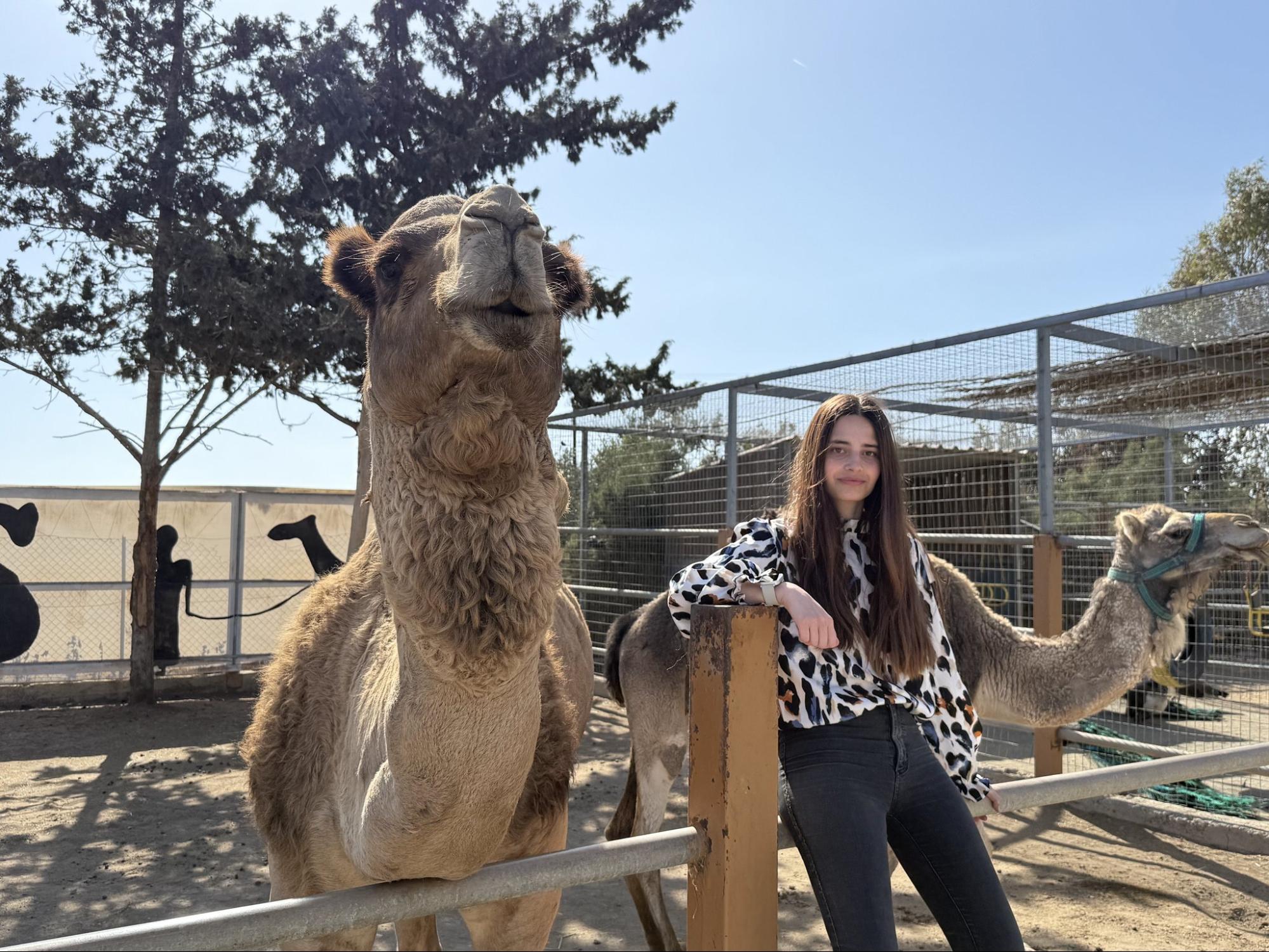
Weekends are about road trips, beach days, exploring villages in the Troodos mountains, or driving to Limassol for dinner. The Paradox Museum there is surprisingly fun. And yes, there's a camel park near Larnaca that's weirdly delightful. We went as a joke and ended up having the best afternoon.
The nightlife in Larnaca is limited to a handful of bars on the Finikoudes strip and some clubs that get going on weekends. If you want more options, Limassol is 45 minutes away and has a much bigger scene. We usually make it a full evening: dinner in the old town, drinks by the marina, back home by midnight.
If you're coming with a partner, it helps a lot. If you're coming solo, I'd honestly recommend Limassol instead, just because it has more going on socially. But if you value peace, affordability, and a tight-knit community over nightlife, Larnaca is your place.
The Food Situation
Cypriot food is incredible: halloumi, souvlaki, meze, fresh fish, amazing produce. The fruit and vegetables here taste like they did at my grandmother's house in Spain. Supermarkets are well-stocked (Alphamega and Lidl are the main ones), and there are local markets where you can get everything fresh and cheap.
What I miss: good jamón ibérico, proper tapas culture, and being able to walk into any bar and get a decent tinto de verano. You'll find Spanish products in some supermarkets, but the selection is limited. There's no real Spanish restaurant here. That's probably the thing I miss most about home.
The Weather
It's everything they promise and more. From April to November, it's pure sunshine. Winters are mild, around 12-18°C, with occasional rain. Coming from Córdoba, where summers hit 45°C, the Cyprus summer (35-40°C) actually felt manageable.
The catch: July and August are brutal if you don't have AC. Make sure your apartment has it. Also, the humidity near the coast is high, which makes 35°C feel hotter than a dry 40°C in southern Spain.
But honestly? Waking up to blue skies almost every day never gets old. After a year, I still appreciate it.
Safety
One thing I really appreciate about Larnaca is how safe it feels. I've never had any issues walking around at night, and the general vibe is very relaxed. Crime is low across the island, and Larnaca in particular feels like one of those places where people still leave their doors unlocked. Coming from a bigger city, that took some getting used to, but in a good way.
Things I Wish I Knew Before Moving to Larnaca

While I absolutely love living here, there are a few things I wish I knew before making the jump. The biggest ones include:
- Open a bank account as soon as you arrive. It takes weeks and you need it for everything. Bank of Cyprus or Hellenic Bank are the easiest for expats. Bring every document you can think of because they'll ask for things you didn't expect.
- Get your car sorted early. You'll feel stuck without one. Check Bazaraki for used cars, and budget around €4,000-6,000 for a decent second-hand option.
- Learn a few words of Greek. People appreciate it even though everyone speaks English. "Efcharistó" (thank you), "kalimera" (good morning), and "yiasou" (hello/cheers) go a long way.
- Don't come expecting your home country. The culture is different. Things close earlier, Sunday is truly a day off, and the pace of life is slower. Embrace it. Fighting it will only frustrate you.
- The bureaucracy will test you. Every government process takes twice as long as you think. Bring patience, extra paperwork, and more patience.
- Summer electricity bills are real. AC in July-August can easily add €100-150 to your monthly bill. Budget for it.
- Stock up on your home comforts. If there's a specific product you can't live without from home, bring a stash. The selection of international products is growing but still limited.
Would I Do It Again?
Without hesitation. Moving to Larnaca was the best decision we've made. Is it perfect? No. I miss my family, I miss Spanish food culture, and I miss being able to hop on a train to Madrid. But the trade-offs are worth it: financial freedom, sunshine, a simpler lifestyle, and the feeling that you're building something on your own terms.
If you're thinking about it, just come visit first. Spend a week in Larnaca, walk the Finikoudes, eat some halloumi, check out the castle. You'll know pretty quickly if it's your kind of place.


.png)
.png)


