


First up, I want to applaud you. If you’re thinking of moving countries, you’re already doing more research than I did before I came to be living in The Hague, Netherlands. I knew there were some tulips nearby. Clogs maybe? Definitely cheese. But I still moved over here pretty uninformed, so well done on taking this first step and reading more about the wonderful city I now call home - Den Haag.
Here’s what it's like living in The Hague (and what I wish I knew before I moved from Cape Town, South Africa, almost five years ago).
Short on time? Here's the cheat sheet
💭Living in The Hague means living in a very international city
🏠There are a variety of different neighborhoods to live in, from Scheveningen Beach for surfers and family-oriented Benoordehout.
📚Although Dutch people speak excellent English, make your transition easier and get a headstart learning the language with italki.
🛂If you're not from an EU country, you'll need a visa to live here. Most foreigners living here work for one of the international companies based here.
🤕Don't rely on luck alone. SafetyWing now offers 2 types of Nomad Insurance coverage options: Essentials for travelers and Complete for expats and digital nomads.
☂️Although the weather can be dreary,
🏖️The entire city feels like a playground, with the beach, forest and a charming city center to enjoy.


The Paperwork
First up, know that the Dutch LOVE paperwork. And no wonder, it’s part of the reason the country operates so efficiently – there is a process, and if you follow it correctly, all should go well. I hold dual nationality, and so moved here on my British passport, before Brexit on 31 December 2020, under the EU-UK Withdrawal Agreement.
However there are also Highly Skilled work visas (which a Dutch company can arrange for you if they give you a job opportunity), as well as student visas, self-employed visas and various others.
It’s best to check the IND website (Dutch Immigration and Naturalisation Service), which includes the most up-to-date information on how to live and work in The Netherlands.
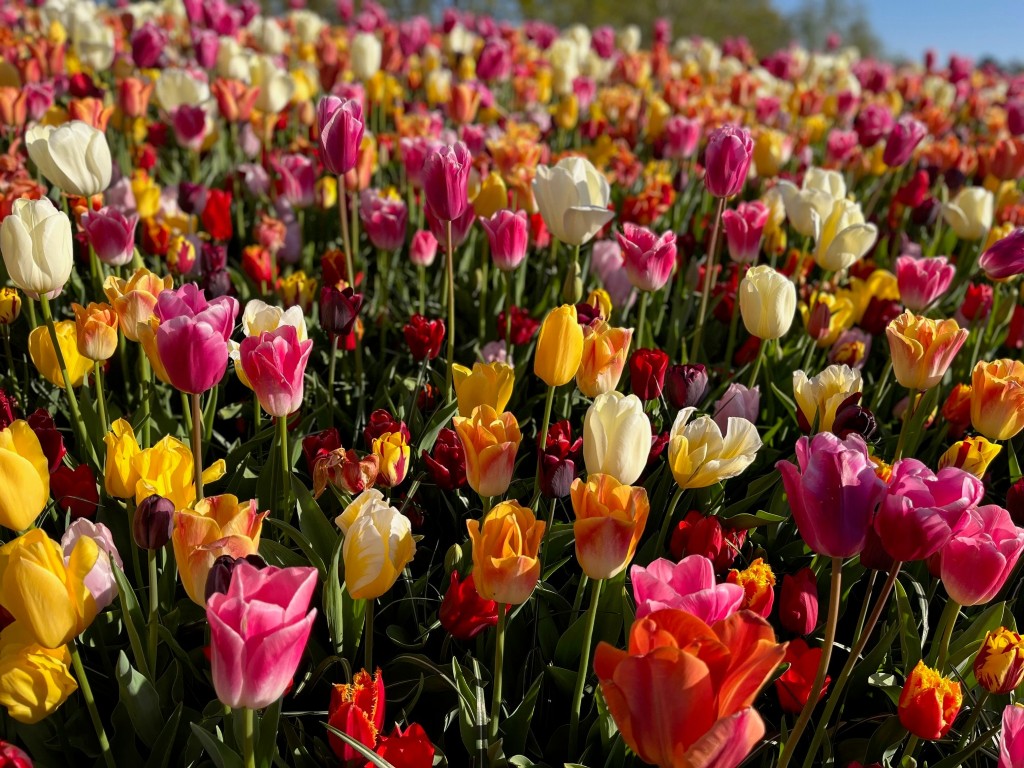
Other foreigners have moved to the Netherlands as an au pair, with the particular Au Pair Visa, or to even work in the floral industry.
The People
What’s expat life like in The Hague? The truth is that parts of the city are extremely international, attracting knowledge workers from all over the world due to more than 150 multinational companies being based here.
The Hague is known as the ‘International City of Peace and Justice’ due to many international law institutions operating out of the city too, such as The International Criminal Court.
As the third largest city in The Netherlands, and the seat of the Dutch Government (as well as home to the King!), The Hague also attracts many Dutch workers, who either commute here each day or have moved here to pursue their careers (we even spotted the Prime Minister cycling himself around town once!).
Considering other cities in the Netherlands? See what it's like living in:
The Language
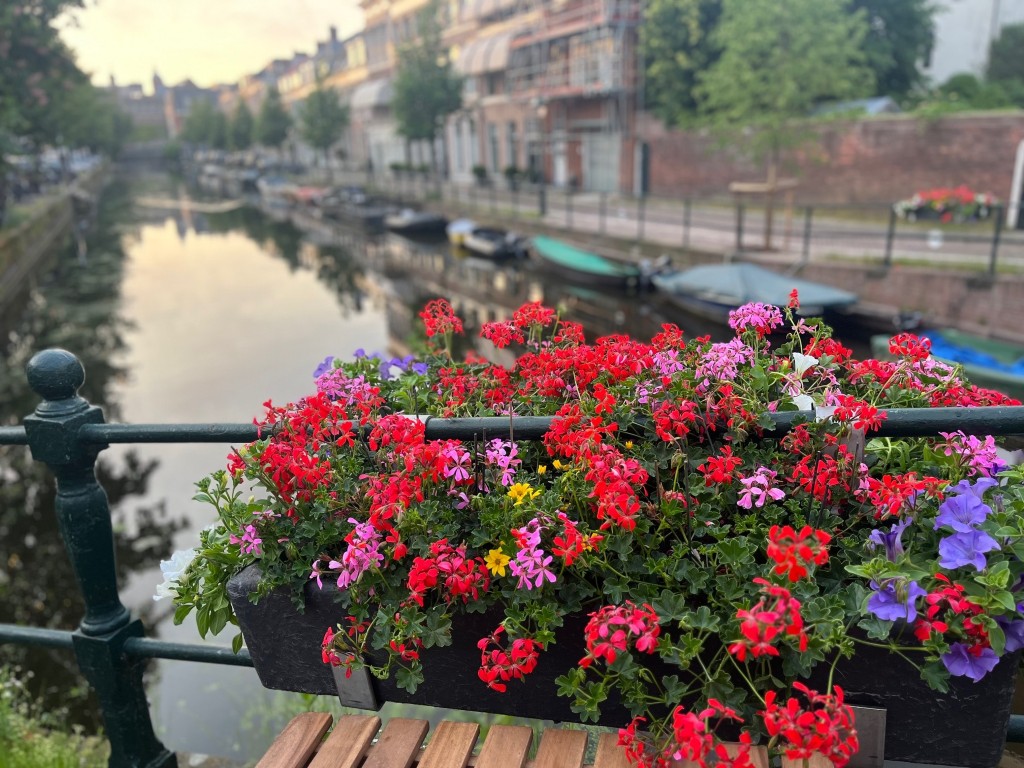
Most Dutch speak excellent English, which is both a blessing and a curse.
A blessing, because it makes navigating the city extremely easy, but a curse because it means that locals would much rather show off their English proficiency as soon as they hear your halting attempts at ‘Nederlands’.
Want to ramp up your Dutch? Sign up for a Taal Maatje (‘language buddy’) where volunteers are paired with those who want to start learning Dutch – for free! You meet once a week for six months and together you work on improving your language skills… another clever initiative by this resourceful nation.
The Bicycles
It’s a real privilege to live in a city that is almost entirely commutable by public transportation – and more particularly by bicycle. We own a car, but we use it only once a week, when we head to a child’s sporting event out of town or do a large grocery shop.
There are cycling lanes everywhere and motorists are extremely aware of cyclists, meaning that children as young as age 9 or 10 can cycle themselves safely around the city, without adult supervision. The physical and mental freedom the cycling culture allows you and your kids (not to mention the time saved not spent sitting in traffic) is immense, and greatly improves your health and overall quality of life.
The downside? Cycling in the rain and wind, but as the Dutch say: ‘we’re not made of sugar’ (we don’t instantly dissolve when we get a little wet).
The Weather
Which leads us on the climate, because it you were born in a sunnier climes, it may take time to adjust to Dutch weather, and more specifically, weather in The Hague.
The issue isn’t the cold, which you can dress appropriately for and bear with a smile on your chilly face. The issue is the unpredictability, making planning nigh impossible. I am told this is due to many factors, most notably that The Hague is a coastal city, set on the North Sea, which is prone to fast-changing weather systems.
I was also not prepared for the force of the wind, but this makes sense since the Netherlands is incredibly flat, with no mountains or hills to shelter you.
My advice? Make the most of the wind and take up a sport like kite-surfing or sailing, joining the intrepid adventurers down on Scheveningen Beach, battling the elements with gusto. The most accurate weather app, if you want an hour-by-hour breakdown, is apparently Buienradar.
The Food
Being such an active nation, the Dutch are extremely practical about food – eating what they need to keep their energy levels up.
There’s a lot of dairy, with the focus on a vast array of delicious cheeses – which can intimidate you when you’re standing at the cheese counter trying to decide!
Some of my other favourites include:
- Poffertjes (mini pancakes that taste like little clouds!)
- Bitterballen (deep fried balls of beef ragout – just don’t burn the top of your mouth!)
- Olliebollen (a round sort of doughnut, dusted with sugar)
- My husband swears by the haring (herring), eaten raw and whole and sprinkled with onions.
The Costs
While living in The Netherlands is not as expensive as some European countries like Switzerland, Norway or Denmark, it’s also not cheap.
Housing and rent particularly are pricey (especially around the city center), and there is also a housing shortage, which many new arrivals only discover when they get here and start house hunting. Funda is your go-to website for housing options, and some ex-pats even use rental agents to secure them a spot before they move over.
Going out is also expensive - to bars and restaurants - while day-to-day costs like groceries feel more manageable. Health insurance is mandatory for nearly all residents and children are insured for free under their parents' policies.
The Neighborhoods
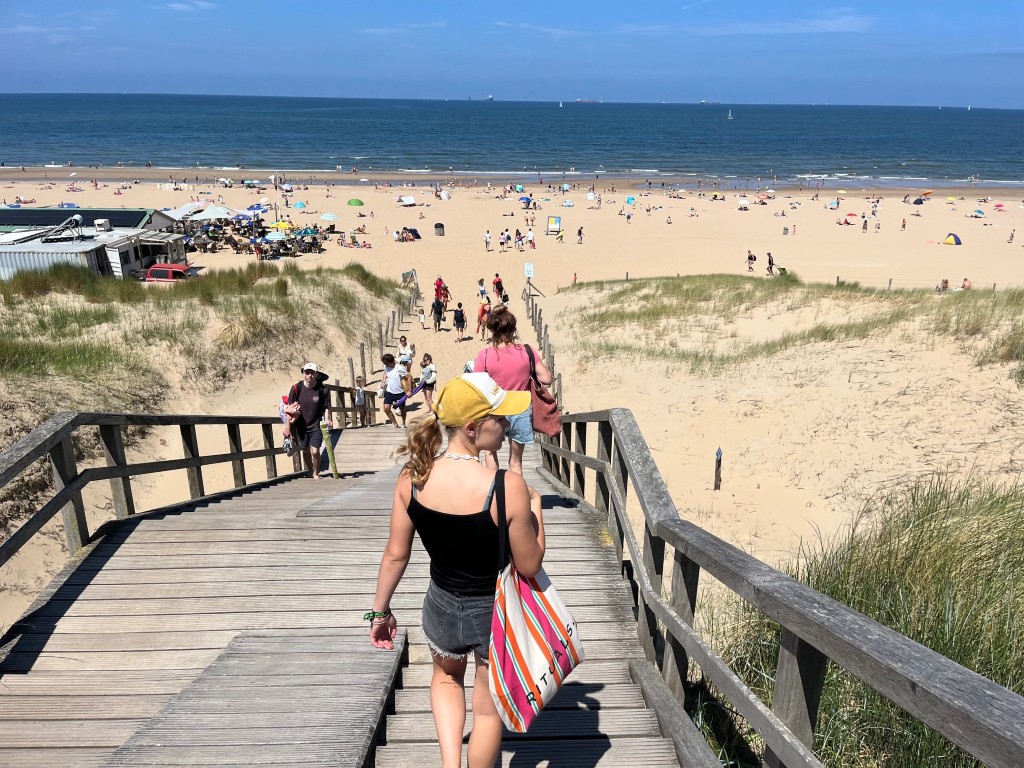
Every neighborhood in The Hague has its own quirks and flavour.
- Surfers and outdoorsy types like to live near Scheveningen Beach, or in nearby Statenkwartier, which has a thriving expat community.
- Other internationals prefer living closer to the city center in Archipelbuurt
- We chose to live in tranquil family oriented Benoordehout which is near many green spaces like Haagse Bos (where you can also find the King’s palace!).
- Wassenaar is a village just outside The Hague that is also very popular with international families and features large luxurious homes, as well as access to many good private schools.
What I Wish I Knew about Living in The Hague
It’s very difficult to get a real feel for a destination without visiting it yourself. Which is why my number one piece of advice for anyone thinking of moving to Den Haag is to come and visit first. Here are some other tips when moving here:
- Buy a proper raincoat and rain trousers, and pack them everywhere you go.
- Take Vitamin D in winter – and have a plan to deal with the winter blues when they set in.
- The winters may be hard, but the summers are truly glorious. The parties on the beach, the picnics in the park, the beers on the terraces, the easy access to the rest of Europe – it’s blissful.
- If you have children you'll need to decide whether you'll be schooling them in the Dutch system (free) or whether you will pay for private international schools. This all depends on the age of your kids, your future plans, your budget and various other factors.
- Take advantage of the many outdoor spaces that are beautifully maintained, safe and on your doorstep. The whole city is your playground, whether you're jogging through the forest, relaxing on the beach, or walking the dog.
- Buy a Museum Pass which gives you free access to hundreds of museums and art galleries in the Hague and beyond - especially in the winter months there's so much rich art and culture to absorb, for kids and adults alike.
- Many Dutch are wary to invest too much time into foreigners who they know may move again in a few years - a common occurrence when living in The Hague. So if you’re here for the longer term, you need to contribute to this wonderful community and get involved – this is one surefire way to make Dutch friends (I recommend joining your local sports club, whether this is field hockey, tennis or football).
Will You Move to The Hague?
What I've so enjoyed about The Hague is that it has all the great things a large international city can offer you - the theatre, the shopping, the nightlife, the culture - but then it also has a small town feel. As you cycle from picking up your bread from the bakery and your flowers from the florist you may pass a neighbor on your bicycle and wave to them...and suddenly The Hague feels like a village.
Den Haag is certainly one of the best villages I've had the privilege to live in, so book that ticket and come and check it out for yourself.


.png)
.png)


