


If you like the idea of a great lifestyle, in a country with stunning scenery and a laid-back vibe, then New Zealand - Māori name Aotearoa - might be the perfect place for you.
It was for me; I came for 6 months, and quickly decided to stay.
For those wanting to join me in New Zealand, here’s an overview of all the things you’ll want to keep in mind while planning for your move, including the not so fun stuff many overlook.
Hang with me though and I’ll walk you through how you can move to New Zealand.
Short on time? Here's the cheat sheet:
💭Moving to New Zealand is a dream come true for so many, if you can meet the legal requirements to do so.
🛂Most foreigners living here are on either a work visa, partner visa, student visa, residence visa, or working holiday visa.
🏠While there are so many great places to live in New Zealand, my top recommendations are Wellington, Auckland, and Christchurch.
🤕Don't rely on luck alone. SafetyWing now offers 2 types of Nomad Insurance coverage options: Essentials for travelers and Complete for expats and digital nomads.
☂️New Zealand is certainly far away from most of the world but,
☀️Once you're here, you'll enjoy a warm culture, incredible nature divesity, and a better work-life balance.


Why Move to New Zealand?
Our South Pacific paradise might seem a long way from anywhere, but in a turbulent world, that can be a good thing. And technology can go a long way towards mitigating the tyranny of distance from family and friends. Thank goodness we no longer have to rely on flaky landlines, or run up massive phone bills.
As with any relocation, moving to New Zealand will be impacted by whatever reciprocal policy agreements are in place with your home country's government. This will determine your visa requirements and healthcare entitlements, among other things.
So please treat this article as a basic guide - and check with Immigration New Zealand for your individual situation.
Things You'll Love About New Zealand

Most of us who move here (and locals alike) can agree on a few things that make living in New Zealand so special. A list of the top pros include:
- A sense of space. Our tiny population of just over 5 million, in a country roughly equivalent in size to the UK, means that it's not that hard to get away from it all.
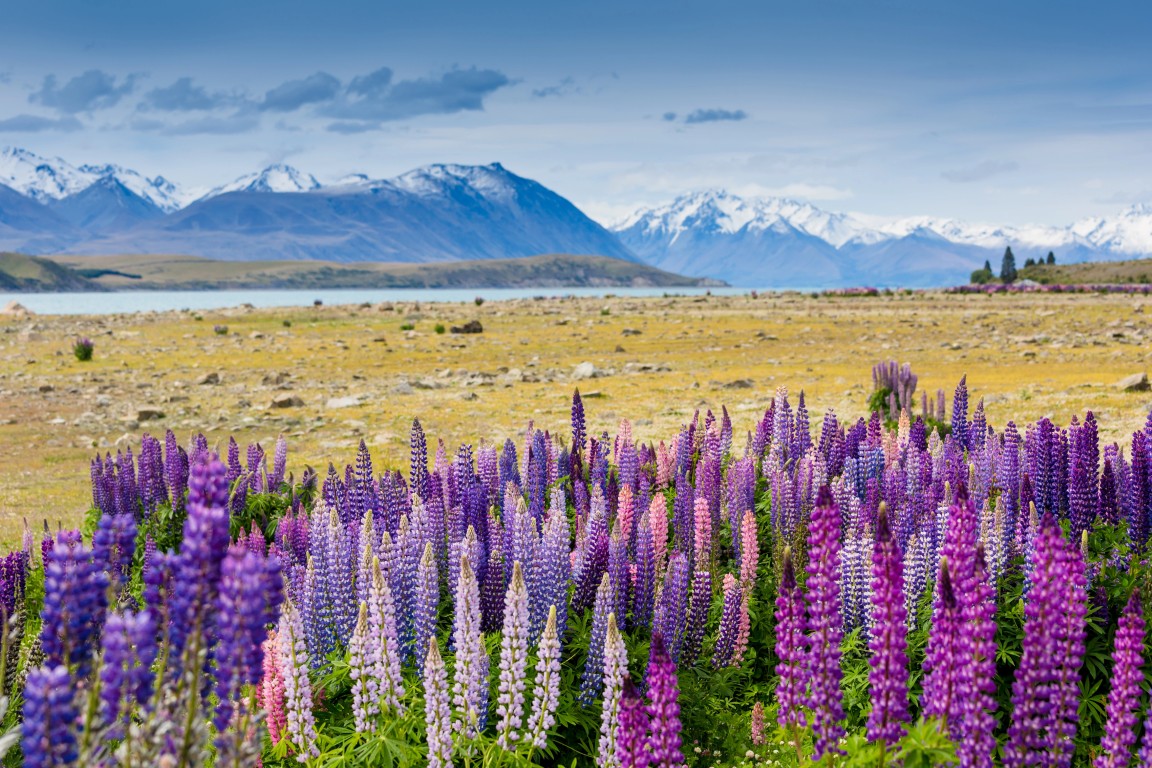
- Scenic variety. Enjoy dream-worthy beaches in the 'winterless north', bubbling geothermal parks in the central area and spectacular alpine landscapes in the south. It’s always a good time to visit with so much to choose between.
- Work-life balance. The long-hours working culture is far less prevalent than in Europe/North America.
- Friendly locals. Kiwis are laid-back characters with a great sense of humour. If you’re from an anglophone country, you'll find that many aspects are comfortably familiar. But there’s still enough difference to make life interesting.
- Māori and Pacific Island culture. New Zealand's indigenous communities bring a unique and special cultural element to life here.
Things You Might Not Love About New Zealand
But, nowhere in the world is exactly perfect. Ask around and most will tell you that the biggest cons include:
- There’s no denying the distance factor. If your family is in Europe or North America, brace yourself for long-haul flights and time-zone gymnastics. And while there are fantastic travel opportunities around Australia and the Pacific Islands, we don't have the cultural variety of Europe.
- Food and housing costs can be high, particularly in the bigger cities.
- Seismic events can be scary. Most are tiny and unnoticeable, but New Zealand sits on the Ring of Fire, giving us around 15,000 shakes a year. Extreme weather events have also become more common in recent years.
Best Places to Live in New Zealand
Where you choose to live in New Zealand depends on what you enjoy and what kind of work you’re seeking. Most expats head for the 3 major cities of Auckland, Wellington and Christchurch. Other cities to consider are Hamilton, New Plymouth and Palmerston North in the North Island and Nelson, Queenstown and Dunedin in the South Island.
Auckland - Tāmaki Makaurau
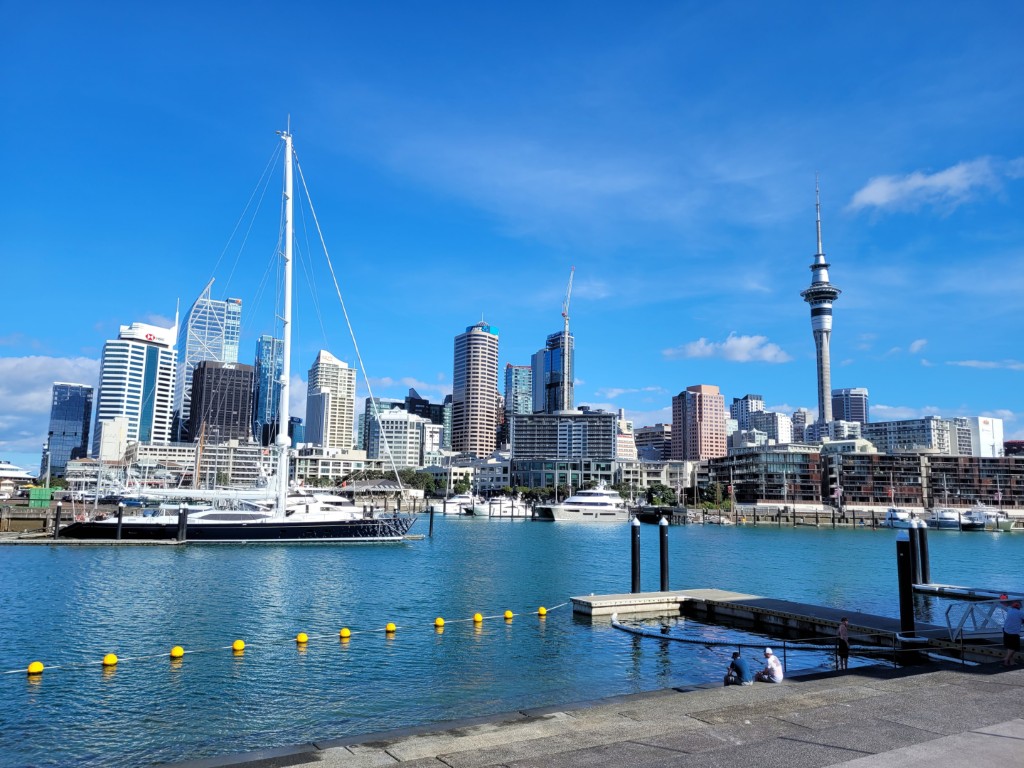
The 'City of Sails' was founded in 1840 by William Hobson, the first Governor of New Zealand. Today, Auckland is a rich and diverse metropolis with a significant Pasifika population. I particularly love the waterfront, which has been transformed from a dilapidated industrial area into a lively residential and recreational zone, with great bars and restaurants.
Pros
- Auckland has the best range of job opportunities in New Zealand;
- It's cosmopolitan and diverse, with lots of expats and a lively café and entertainment scene;
- As New Zealand's largest city and main port of entry, Auckland has heaps of international air connections;
- The city offers waterfront walks, beaches and regular ferry services to the islands of the Hauraki Gulf;
- The University of Auckland and Auckland University of Technology are highly-regarded and noted for being welcoming to international students and staff.
Cons
- Housing costs can be high in the more desirable areas;
- Traffic is legendary and everyone complains about it;
- Like most of the northern regions, Auckland sees quite a lot of rain.
Best Neighbourhoods
- Ponsonby: hip and trendy, social, full of bars and brunch spots. Popular with young professionals.
- Grey Lynn: has a village feel with leafy streets, heritage character. Popular with creatives and café lovers.
- Auckland CBD: Not the quietest, but great for newcomers who want everything at their doorstep. My choice would be one of the waterfront zones like Viaduct Harbour or Wynyard Quarter.
Learn more about living in Auckland here.
Wellington - Te Whanganui-a-Tara
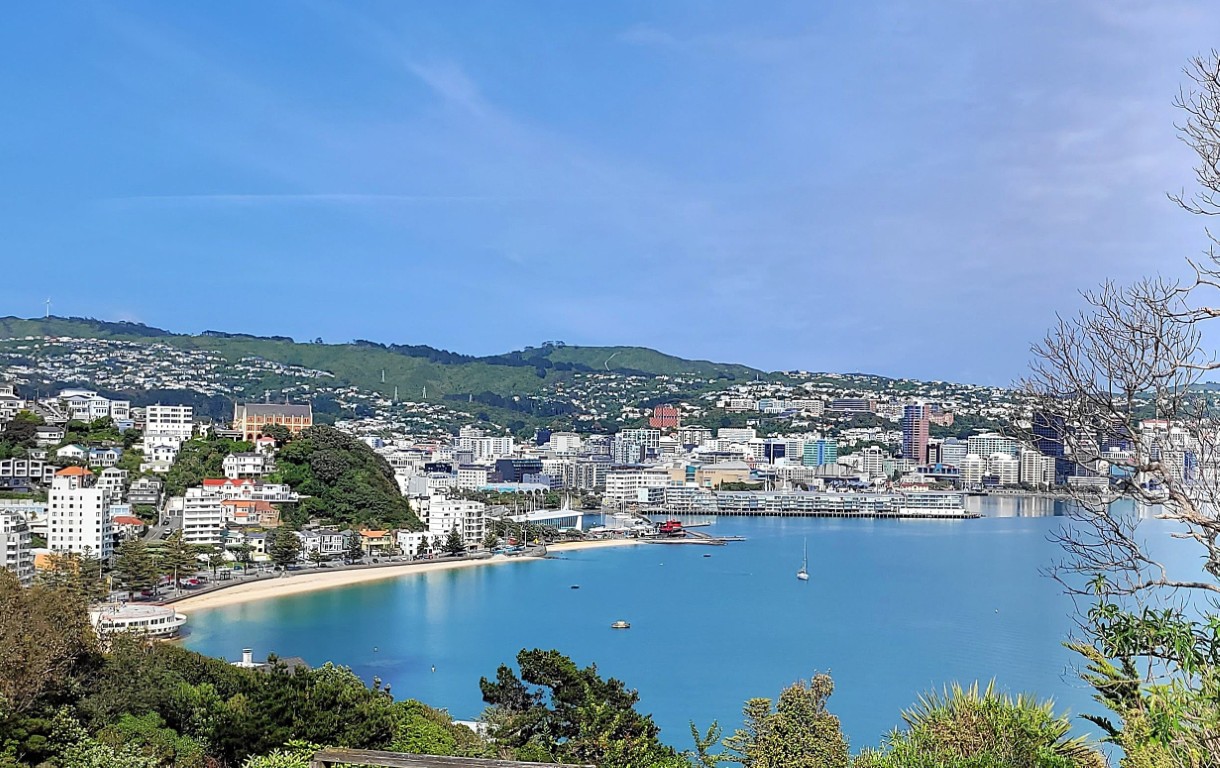
Founded in 1840, the city was named after Arthur Wellesley, the first Duke of Wellington, whose other claim to fame was his defeat of Napoleon at the Battle of Waterloo. Wellington became the capital of New Zealand in 1865. Today, it’s known for its beautiful harbourside location and lively café scene. I live here and can attest to its many attractions.
Pros
- Are you a coffee lover? Wellington takes coffee very seriously and in my opinion, it’s the best in the world;
- The central city is compact and walkable;
- Being the seat of government, expats can often find work in government departments and agencies. For creatives, there’s a growing gaming sector and Peter Jackson’s film empire is based in the suburb of Miramar;
- Public transport is good - there are plenty of local buses, ferries to the South Island and international air services to Australia and Fiji;
- We have two excellent universities: Victoria University of Wellington and Massey University.
Cons
- Wellington is renowned for its strong winds and unpredictable weather (though this does give us great air quality);
- The job market is smaller than Auckland’s - and the government sector has been cutting back significantly in recent times;
- The city’s hilly location can provide wonderful views but also aching legs - and in some neighbourhoods, limited sunlight;
- A 2016 earthquake caused substantial damage, including to major civic buildings like the Town Hall and Central Library. This has definitely affected the energy of the city, with some areas feeling a little abandoned. Hopefully this will change as restorations are completed in 2026-7.
Best Neighbourhoods
- Mount Victoria: sunny and affluent with leafy streets of elegant period villas, some with jaw-dropping harbour views;
- Newtown: down-to-earth, colourful, diverse, vibrant and fun, with great markets, an easy social scene and the best bus services. Home to Wellington hospital;
- Eastern bays: for those who like a beach vibe, the Eastern bay suburbs of Lyall Bay, Island Bay or Seatoun might suit you. I live in this area and I love it.
Learn more about living in Wellington here.
Christchurch - Ōtautahi
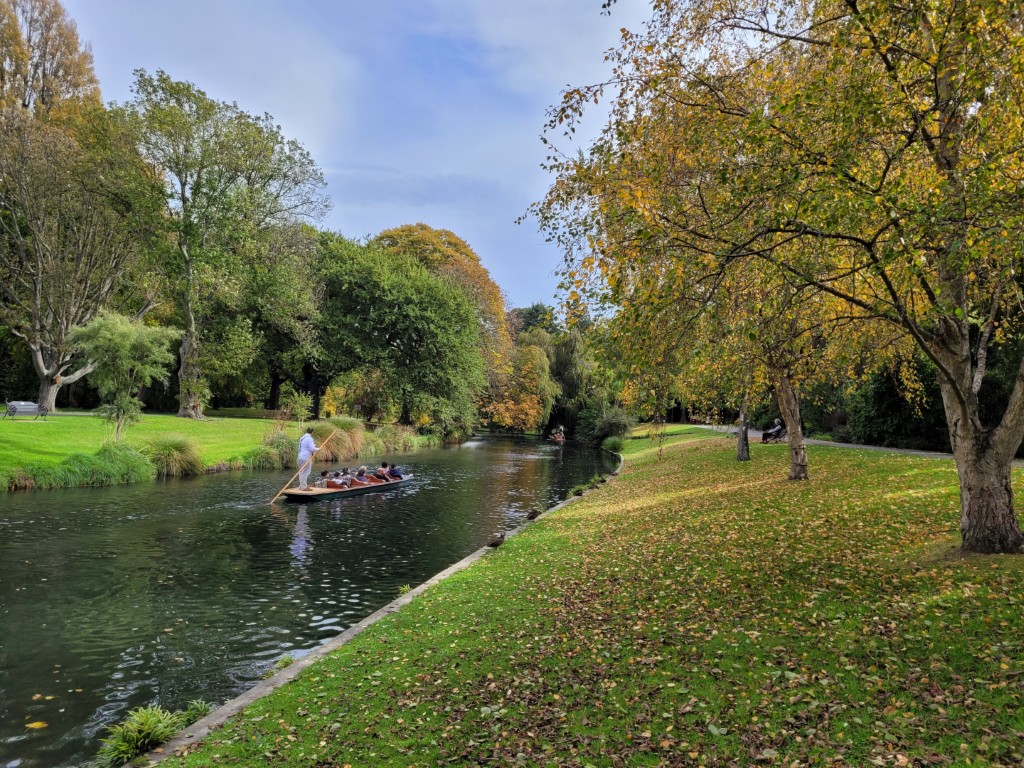
The ‘Garden City’ is New Zealand’s second largest after Auckland. Founded in 1850 by The Canterbury Association, sponsored by the Church of England, Christchurch still has an English feel. You can even go punting - traditionally associated with Cambridge University - on the River Avon, which runs through the city centre and its vast, beautiful green space, Hagley Park.
Pros
- Living costs are lower than Auckland or Wellington;
- Heritage buildings in the historic centre are impressive, as is the newly-redeveloped riverside area with its market, laneways and great restaurants;
- The Southern Alps, lakes and east coast beaches are all close by;
- City transport is good - including wonderful trams! The airport has connections to Australia, Pacific islands, USA, Asia and the Middle East;
- Christchurch has two good universities - Canterbury and Lincoln. The latter specialised in agricultural disciplines.
Cons
- Some central areas, like Cathedral Square, are still being rebuilt after the 2011 earthquakes and look a little forlorn;
- Winters can be chilly, with icy winds blowing from the snowy Southern Alps;
- Christchurch can feel a little more isolated than the major North Island cities;
- The local job market is less robust than those of Auckland or Wellington.
Best Neighbourhoods
- Merivale: close to Hagley Park, stylish Merivale offers great shopping, restaurants and speciality grocers;
- Riccarton: Close to the University of Canterbury, Riccarton is lively and youthful with good transport links. It does have a bit of a ‘party’ reputation so might not be for you if you prefer the quiet life;
- Sumner: this beachside suburb will suit those who love to surf, swim or stroll along the seafront.
Visa Types

Your specific visa requirements to move to New Zealand will depend on your personal goals. Immigration New Zealand has a useful tool to help you determine what you need. Most travellers, other than Australian citizens, will require either an NZeTA (New Zealand Electronic Travel Authority) or a visa to be granted entry.
Visa options include:
- visitor visa - required for short stays, unless you are from a visa waiver country;
- work visas - there are various types, e.g. for business investors, seasonal migrant workers, specific industries and for those with a job offer from an accredited New Zealand employer;
- residence visa - for people who have the required qualifications and experience to fill gaps in the New Zealand job market. A permanent resident visa is the main pathway to becoming a New Zealand citizen;
- partner and family visas for those joining close relatives already living here - an example would be the parent retirement resident visa;
- student visas including the post-study work visa;
- working holiday visa - ideal if you’re under 30 (or 35 for some countries).
A policy change introduced in January 2025 now allows visitors from visa-waiver countries to work for their remote employer under certain restrictions and conditions. This is the closest we have to a Digital Nomad Visa.
Immigration New Zealand's website has some useful guides to help newcomers prepare for their new life. These cover topics such as living costs, finding rental properties or buying a house, education, public healthcare services, opening a New Zealand bank account and where to find job listings.
Settling In
Culture
New Zealand is a country of immigrants, so our society is wonderfully diverse. Kiwis are generally easy-going and welcoming.
Māori have special status under the Treaty of Waitangi, signed between the British Crown and a group of Māori Chiefs in 1840. Their customs, art, music, storytelling and connection to the land will leave a deep impression on you.
For the most part, everyone gets along just fine, embracing shared values of freedom, equality and fairness. Occasionally, conflict arises when cultural matters become politicised. Showing respect for Māori culture, protocol and their worldview will help you settle into New Zealand life successfully.
Languages
English, Te reo Māori and Sign Language are the 3 official languages of New Zealand. Although not a legal requirement like in Canada, bilingual signage in English and Te reo - especially in public places - is increasingly common. It’s well worth learning at least some basic greetings in Te reo.
Healthcare
New Zealand's healthcare system follows a mixed model of public and private provision, with the public side funded by taxes. Visits to the doctor must be paid for, but hospital care is subsidised.
Dental care is expensive and is not free, other than for adolescents and certain low-income earners. Prescriptions are increasingly available for free, from certain pharmacies and outlets.
Treatment of injuries sustained as a result of accidents, including dental damage, is free for residents. This is covered by the Accident Compensation Corporation, which is funded by employee levies.
Your visa status may impact your entitlement to public healthcare. Private options are available, which offer faster access to specialists. Some employers offer private health insurance as a staff benefit, either for free or at a discount.
Safety
New Zealand is one of the safest countries in the world, but you should take the usual sensible precautions with your valuables when walking in crowded areas. Unfortunately, a gang culture does exist, but this rarely impacts the daily life of most ordinary Kiwis.
The risk of seismic activity means that all residents are expected to follow official advice from the Natural Hazards Commission on earthquake preparedness, safety and evacuation procedures. If you live in an apartment building, especially in Wellington or Christchurch, expect regular drills.
Will you move to New Zealand?
Whether you're interested in taking some time out to experience New Zealand's culture and lifestyle, or considering permanent residency, I hope this guide helps you plan your exciting future. Kia ora!
Want more? Dig into all of our articles on New Zealand to fully prepare for your move:
- The Best Visa Options for Living in New Zealand
- 9 Best Places to Live in New Zealand Aotearoa
- An Expat's Guide to Living in Auckland, New Zealand
- An Expat's Guide to Living in Wellington, New Zealand
- 4 Steps to a Successful Working Holiday Visa in New Zealand
- 7 Things to Know Before Working in a Restaurant in New Zealand
- 15 Unmissable Things to Do in Wellington, New Zealand
- The Absolute Best Time to Visit New Zealand Aotearoa


.png)
.png)


